


Job Cuts and New Hires in the German Economy
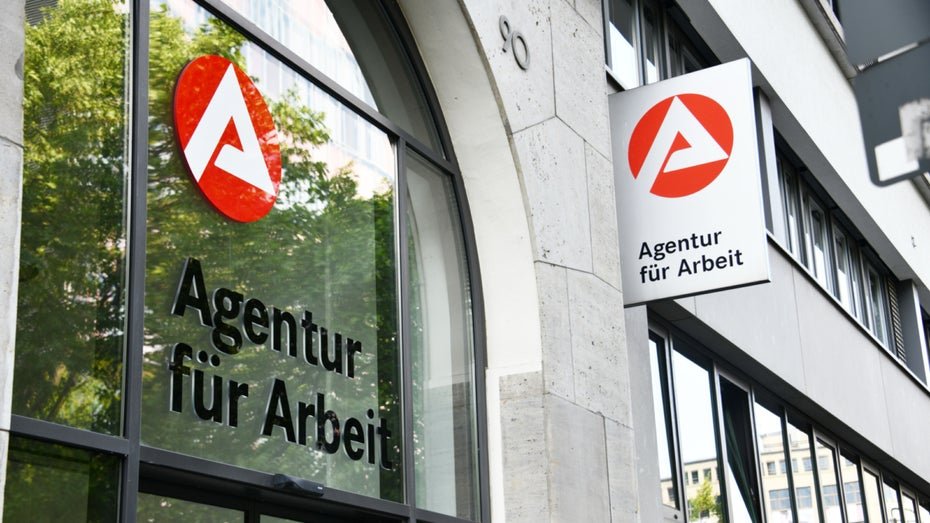
Confidence in the German economy has increased in recent months, which is reflected in the staffing plans of many companies. However, the situation is not uniform across all sectors. While some companies are cutting jobs, there is an acute demand for new employees in other areas. The technology and IT sectors are experiencing a rise in new hires, as companies increasingly seek skilled professionals to meet the demands of digital transformation.
According to a survey by the industry association Bitkom, 45% of companies in the IT sector plan to hire new employees in the coming months. In contrast, companies in the automotive industry are facing job cuts. The shift to electric mobility and the associated changes in production are leading to a decline in jobs. Estimates suggest that up to 30,000 jobs in the sector could be lost by the end of 2026. The retail sector is also showing mixed signals.
While some retailers are reducing staff due to online competition and changing consumer habits, others are looking for new employees to strengthen their stores. There is particularly high demand for labor in logistics and e-commerce. In the healthcare sector, however, the demand for skilled professionals remains consistently high. Demographic trends and the increasing need for healthcare services mean that many facilities are desperately seeking nursing and medical staff. A recent study indicates that Germany will need 200,000 new nursing professionals by 2028.
The construction industry is also struggling with a shortage of skilled workers. Despite an increase in construction projects in recent years, the availability of qualified tradespeople remains limited. Industry representatives warn that without targeted training and recruitment measures, the implementation of planned construction projects could be jeopardized. The financial services sector is showing positive developments, as many companies invest in digital solutions. This leads to an increased demand for IT experts and data analysts.
Banks and insurance companies plan to expand their workforce in these areas by 20% to keep pace with technological developments. Public administration has also announced plans to create new positions to meet the rising demands for services. An increase in new hires is expected, particularly in the areas of digitalization and citizen services. By the end of 2026, 10,000 new positions are to be created in this sector. Developments in the German economy show that despite challenges in certain industries, opportunities also exist.
However, companies must adapt and plan strategically to meet the changing demands of the market. The federal government has announced measures to support businesses and promote training positions. The unemployment rate in Germany currently stands at 5.2%, representing a slight decrease compared to the previous year. Experts expect this trend to continue as the economy grows and new jobs are created.








💬 Comments (0)
No comments yet. Be the first to comment!