


Nvidia Under Suspicion: High Prices Despite Inventory
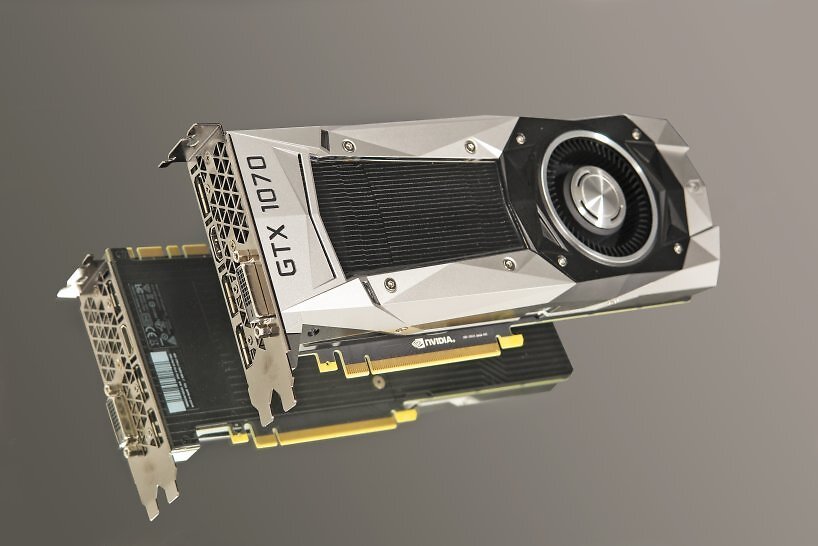
Nvidia is facing serious allegations as analysts claim the company is hoarding vast amounts of unused AI chips in its warehouses while gamers continue to pay high prices for graphics cards. This situation raises questions about the actual availability and pricing of the graphics processors. One analyst has asserted that Nvidia is stockpiling over 10 million chips in its storage facilities. These chips could potentially be released to meet the ongoing demand for graphics cards. However, GPU pricing remains high, exacerbating frustration among gamers.
The GPU crisis, which has persisted for several years, is seen by many as inevitable. However, analysts argue that Nvidia is actively influencing the current situation. The high prices for graphics cards contradict the inventory levels that the company allegedly does not utilize. Another point of criticism is Nvidia's lack of transparency regarding its inventory and pricing strategies. While the demand for high-performance graphics cards for gaming and AI applications remains strong, it remains unclear why Nvidia is unable or unwilling to lower prices.
Market analyses show that the prices for graphics cards are, on average, 30% higher than before the pandemic. These price increases have forced many gamers to turn to cheaper alternatives or postpone their purchases altogether. Discontent within the community is growing as many users await affordable solutions. Some experts suspect that Nvidia is intentionally keeping prices high to maximize profit margins. However, this strategy could have long-term negative effects on customer loyalty and brand image.
The discussion about pricing is fueled by the fact that Nvidia has achieved record profits in recent quarters. The situation is further complicated by the ongoing chip crisis and associated supply shortages. Despite the high demand for graphics cards, chip availability remains a central issue. Nvidia has previously stated that chip production is affected by various factors, including the global semiconductor shortage. The allegations against Nvidia could also lead to regulatory consequences.
Analysts are calling for an investigation into the company's pricing and inventory practices. Such an investigation could force Nvidia to rethink its business practices and operate with greater transparency. The discussion surrounding Nvidia's pricing is expected to be a central topic at upcoming tech events and trade shows. Consumer and market participant reactions could be crucial in determining how the situation evolves in the coming months. Nvidia has not yet commented on the allegations.
Analysts emphasize that the GPU crisis is not only a problem for gamers but also for developers and companies that rely on high-performance graphics cards. The high prices could hinder innovations in AI and machine learning, as many companies are unwilling to bear the exorbitant costs for the necessary hardware. The discussion around Nvidia's pricing and inventory will continue to be in focus, especially as the gaming community and tech industry hope for a resolution. Nvidia's next quarterly results, expected in January 2027, could provide further insights into the company's current situation.







💬 Comments (0)
No comments yet. Be the first to comment!