


EU and SpaceX in Frequency Dispute
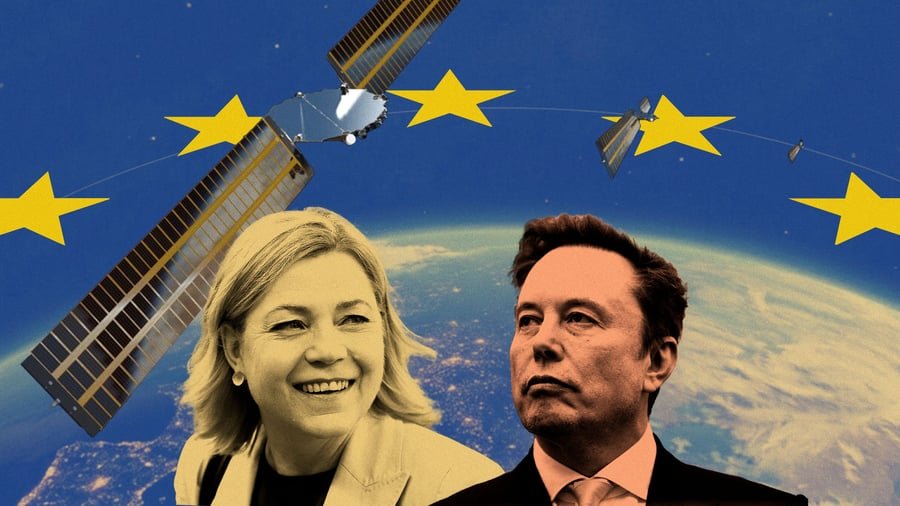
The European Union is facing a power struggle with SpaceX over the allocation of frequencies that will be available for mobile services starting May 2026. These frequencies are crucial for the expansion of SpaceX's satellite mobile network, known as Starlink. The EU Commission plans to preferentially allocate these frequencies to European providers such as Deutsche Telekom, which could lead to tensions with the United States. EU Commissioner Paula Virkkunen commented in an interview with Handelsblatt, emphasizing the need to support European companies in digital infrastructure. She argued that the EU should not only cater to the interests of American companies but also strengthen the competitiveness of its own providers.
This could promote the development of a robust European mobile market. The frequencies available from May 2026 are from the 2 GHz band, which is particularly suitable for providing mobile services. SpaceX has already announced that access to these frequencies is critical for the success of its satellite mobile network. Without these frequencies, SpaceX may struggle to expand its services in Europe and compete with existing mobile providers. The United States has already reacted to the EU's plans, threatening possible trade consequences if European providers are favored.
A senior official from the U.S. Department of Commerce stated that such measures could strain transatlantic relations. The U.S. demands fair treatment for its companies and warns of potential disadvantages for SpaceX. The discussion surrounding frequency allocation is part of a larger trend where European countries are attempting to strengthen their digital sovereignty. In recent years, the EU has launched several initiatives to reduce dependence on U.S. technologies. This includes investments in local infrastructure and the promotion of European technology companies.
Deutsche Telekom has already expressed interest in the available frequencies and plans to use them to expand its own mobile network. The company sees the frequency allocation as an opportunity to solidify its market position in Europe and enhance competition with international providers. Telekom representatives have emphasized that a strong European mobile infrastructure is crucial for the digital future. The EU Commission is expected to make a final decision on frequency allocation in the first quarter of 2026. Until then, further negotiations between the involved parties are anticipated.
The Commission has already announced that it will consider the interests of all stakeholders to find a balanced solution. The frequencies available from May 2026 could also be of interest to other European providers looking to enter the mobile market. Analysts estimate that the allocation of these frequencies could have significant impacts on competition in the European mobile sector. The EU aims to create a dynamic and innovative environment for mobile providers. The situation remains tense as both the EU and the U.S. clearly assert their positions. The coming months will be crucial to see how this conflict develops and what effects it will have on the mobile landscape in Europe. According to the EU Commission, the new frequencies could provide up to 30% more capacity for mobile services.






💬 Comments (0)
No comments yet. Be the first to comment!