


Long-Term Effects of Weightlessness on Humans
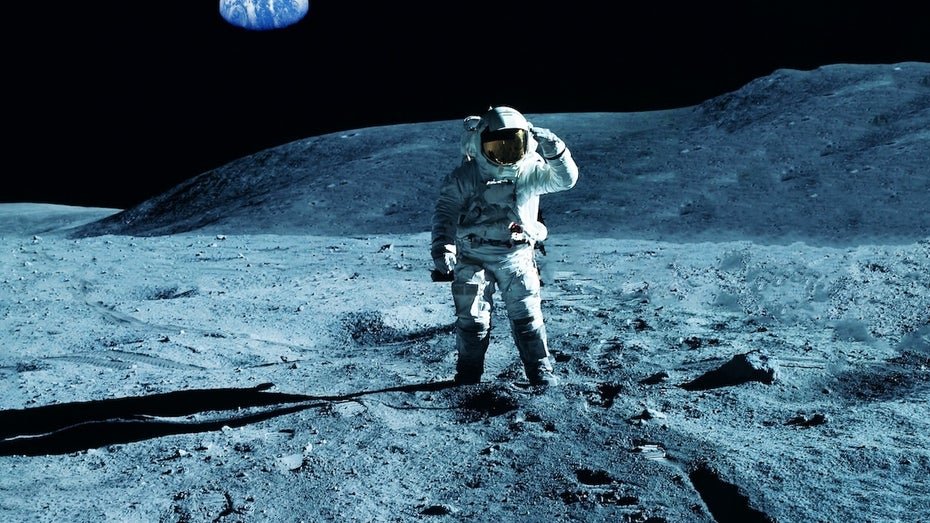
Scientists have discovered that prolonged stays in weightlessness induce significant biological changes in the human body. These effects are not only temporary but can also have long-term consequences that even experienced medical professionals find surprising. The so-called telomere paradox describes how telomeres, the protective ends of chromosomes, change during space travel. Studies indicate that telomeres in astronauts shorten more rapidly in weightlessness, which is associated with an increased risk of age-related diseases. These findings raise new questions about the health of astronauts planning longer missions in space.
Another aspect of the research concerns the effects on the immune system. Investigations have shown that the immune response of astronauts is impaired in weightlessness. This could increase susceptibility to infections and jeopardize overall health during and after their return to Earth. Additionally, data show that muscle mass and bone density significantly decrease during extended stays in space. Astronauts can lose up to 20% of their muscle mass and up to 1.5% of their bone density per month in weightlessness.
These changes necessitate specialized training programs to maintain physical fitness during the mission. The psychological effects of space travel are also an important area of research. Isolation and stress during long missions can lead to psychological strain. Astronauts report sleep disturbances and emotional challenges exacerbated by the confinement of the spacecraft and the remoteness from Earth. NASA and other space agencies are working on strategies to address these challenges.
These include psychological support and regular communication with Earth to promote the well-being of astronauts. Such measures are crucial for planning future missions, especially for long-term stays on Mars. Research on the biological changes caused by weightlessness also has implications for medical science on Earth. Insights into telomere shortening and its effects on the immune system could inspire new approaches to treating age-related diseases and other health issues. Scientists hope that these findings will benefit not only astronauts but also the general population. The results of these studies are part of a comprehensive research program aimed at better understanding the long-term effects of space travel on the human body. The next major mission that will further investigate these questions is the planned Mars mission set for 2030.



💬 Comentarii (0)
Inca nu exista comentarii. Fii primul!