


US Government Accuses ASML of EUV Use in China
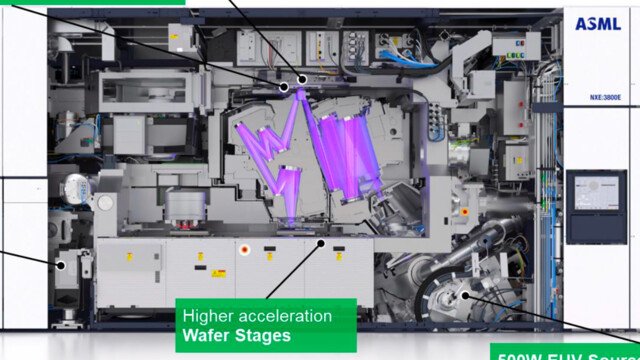
The US government has accused ASML of delivering an Extreme Ultraviolet (EUV) lithography system to China. These allegations come amid strict export controls aimed at limiting China's access to advanced semiconductor technology. ASML, a leading manufacturer of chip production machinery, has firmly rejected the accusations, emphasizing that all deliveries comply with applicable regulations. The allegations are not new, as the US has been attempting to restrict technology transfer to China for several years. In particular, EUV technology is considered crucial for the production of advanced semiconductors used in modern electronic devices.
The US government has previously taken measures to control and regulate the export of such technologies. ASML stated in a press release that the company obtains all necessary permits for its exports and strictly adheres to international trade regulations. However, the US government's allegations could lead to further tensions between the US and the Netherlands, where ASML is headquartered. The Dutch government has also commented on the allegations, emphasizing that it takes export controls seriously. The discussion surrounding technology transfer to China has intensified in recent years, particularly in the context of the trade war between the US and China.
Analysts warn that such allegations could further strain relations between the two countries. The US government has also pressured other companies doing business with China to ensure that sensitive technologies do not fall into the wrong hands. The implications of these allegations could be far-reaching, especially for the semiconductor industry. ASML is the only manufacturer of EUV machines required for the production of chips at the 5-nanometer process and below. A ban or restriction on exports could significantly impact production capacities in China and disrupt global supply chains.
In recent months, the US government has also taken other measures to control technology transfer to China. These include new export restrictions on semiconductors and technologies deemed sensitive for national security. These measures aim to slow China's advancements in semiconductor technology and reduce US dependence on Chinese products. ASML's response to the allegations could also affect the company's stock prices. Investors are closely monitoring the situation, as uncertainties about future business developments and potential legal disputes exist.
ASML has historically maintained a strong market position, but such allegations could undermine investor confidence. The US government has announced that it will further investigate the allegations and may take legal action if necessary. The outcomes of these investigations could be crucial in determining how relations between the US, the Netherlands, and China evolve. ASML is expected to continue taking all necessary steps to ensure its integrity and compliance with regulations. The US government's allegations are part of a larger trend where governments worldwide are attempting to protect their technological advantages.
The semiconductor industry is at the center of these geopolitical tensions, as it is critical for the national security and economic stability of many countries. Developments in this area will continue to be closely monitored. The US government publicly raised the allegations against ASML on June 15, 2026, emphasizing that compliance with export controls is of utmost importance for national security.




💬 Comments (0)
No comments yet. Be the first to comment!