


Sony and TSMC Establish Chip Factory for Image Sensors
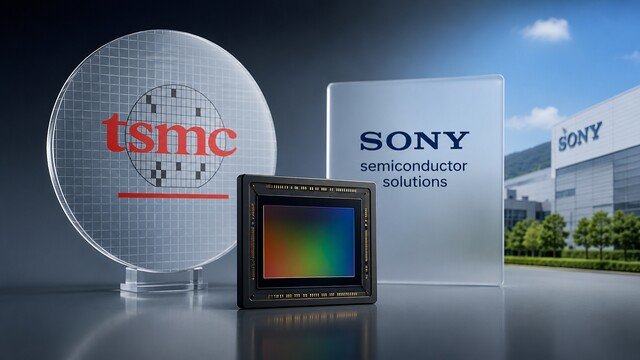
Sony and TSMC have announced the establishment of a joint venture for the development and manufacturing of the next generation of CMOS image sensors in Kumamoto, Japan. The investment amounts to $4.7 billion, with Sony holding approximately 60 percent and TSMC 40 percent of the shares. The planned chip factory aims to meet the increasing demand for high-performance camera sensors, particularly for smartphones and other mobile devices. Mass production of the new image sensors could begin as early as 2029. These sensors are expected to not only enhance image quality but also improve the efficiency of camera technology.
The partnership between Sony and TSMC is viewed as a strategic move to secure competitiveness in an increasingly competitive market. The decision to establish the joint venture follows a surge in demand for high-quality image sensors, particularly from companies like Apple that rely on advanced camera technologies. Sony is already a leading provider of image sensors and has significantly expanded its market share in recent years. TSMC, as one of the largest semiconductor manufacturers worldwide, brings extensive manufacturing capabilities and technological expertise to the project. The new factory is also expected to create jobs in the region and contribute to the economic development of Kumamoto.
The Japanese government has already expressed interest in supporting such projects to strengthen the domestic semiconductor industry. This could also foster innovation in the region and attract new talent. CMOS technology has made significant advancements in recent years, leading to improvements in image quality and energy efficiency. The new sensors are expected to deliver better results in low-light conditions and increase processing speed. These developments are crucial for the next generation of smartphones and other devices that rely on high-quality camera features.
The partnership between Sony and TSMC could also impact other companies in the industry. With the increase in production capacity, competition for image sensors may intensify, potentially leading to lower prices and better technologies. Analysts expect that the new sensors will also find applications in other sectors, such as the automotive industry. The investment in the chip factory is part of a larger trend where companies are investing in semiconductor technology development to meet global demand. The semiconductor industry faces challenges such as supply shortages and rising production costs, underscoring the need for new manufacturing capacities.
Sony and TSMC are strategically positioning themselves with this joint venture to tackle future challenges. The collaboration between the two companies could also lead to innovations in manufacturing technology. TSMC already has experience in mass-producing semiconductors and could introduce new processes that further enhance the efficiency and quality of image sensors. Such advancements could lower production costs and shorten the time-to-market for new products. The announcement of the joint venture comes at a time when demand for image sensors is rising across various sectors, including consumer electronics and the automotive industry.
The development of technologies such as augmented reality and virtual reality also requires advanced image sensors, highlighting the relevance of the new project. Sony and TSMC aim to take the lead in innovation in this field. The first prototypes of the new CMOS image sensors could be tested before the planned mass production. This would allow the companies to gather feedback from partners and customers and further optimize the products. Thus, the collaboration between Sony and TSMC could not only increase production capacities but also improve the quality of the end products.
The establishment of the joint venture is seen as a significant step in the semiconductor industry, particularly in Japan, where the government is making efforts to promote domestic production. The new factory could serve as a model for future collaborations between technology companies and the government to strengthen the competitiveness of the Japanese industry. The first concrete steps towards implementing the project are already in planning, and the two companies have announced that they will release further details in the coming months. The development of the new CMOS image sensors is also expected to target international markets, potentially increasing the global reach of the products. The partnership between Sony and TSMC could sustainably change the landscape of image sensors and set new standards for the industry.
Both companies are committed to developing innovative solutions that meet future demands. The mass production of the new sensors could significantly influence market competition. The manufacturing capacities of the new chip factory are set to align with the latest technological standards to ensure high quality and efficiency. The planned commissioning of the factory is eagerly anticipated, as it could make a significant contribution to the advancement of image sensor technology. The announcement of the joint venture occurs in a context where the semiconductor industry worldwide is under pressure to find innovative solutions. Sony and TSMC aim not only to increase production capacities but also to maintain technological leadership in the industry. The first prototypes of the new CMOS image sensors are expected to be presented as early as 2028.







💬 Comments (0)
No comments yet. Be the first to comment!