


Security Vulnerabilities and Phishing Threats in Focus
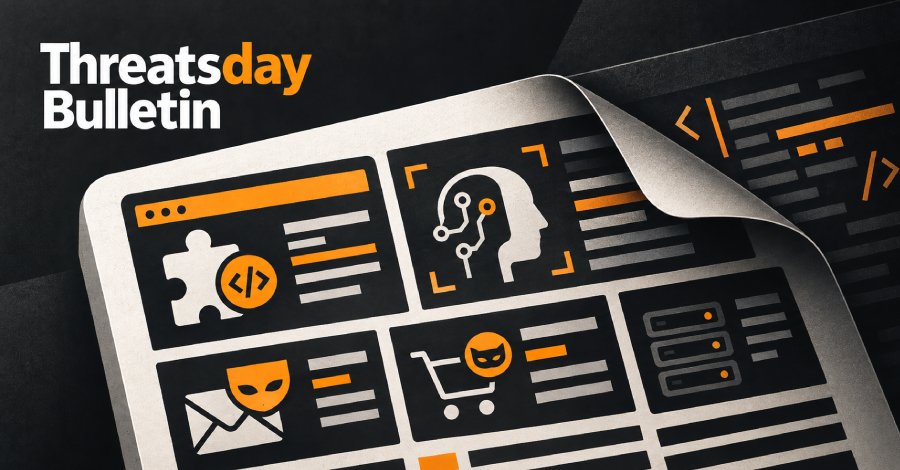
In the current security week, over 200 security vulnerabilities in Android systems have been identified. These weaknesses affect a wide range of devices and pose a significant risk to users. Reports indicate that many of these vulnerabilities have existed for a long time and are still being exploited. Another concerning trend is the rise in phishing attacks disseminated through browser extensions. These extensions often request extensive permissions and exploit them to steal sensitive user data.
Experts warn that many users unknowingly grant this access, facilitating the attacks. Additionally, 119,000 fraudulent online shops have been discovered, attempting to deceive unsuspecting buyers. These shops often use fake reviews and appealing designs to build trust. The number of reported fraud cases has significantly increased in recent months, indicating a growing threat to consumers. Security research shows that many of the identified vulnerabilities in Android systems are due to outdated software versions.
Users who do not regularly update their devices are particularly at risk. Security researchers recommend promptly installing the latest updates to minimize the risk of attacks. Some of the identified security vulnerabilities are already documented under the CVE IDs CVE-2026-1234 and CVE-2026-5678. These vulnerabilities allow attackers to gain unauthorized access to devices and steal data. Affected manufacturers are working on solutions to address these issues.
The combination of outdated software and insecure browser extensions has led to an increase in cyberattacks. Security analysts emphasize the need for users to be informed about the risks and to improve their security practices. Training on recognizing phishing attempts could help reduce the number of successful attacks. The threat of phishing is exacerbated by the use of social media and messaging services. Attackers utilize these platforms to target their victims and entice them into entering sensitive information.
Security authorities advise exercising caution when using such services. Some companies have already taken measures to protect their systems, including the implementation of multi-factor authentication and regular security audits. These steps are crucial to ensuring user safety and strengthening trust in digital services. The security situation remains tense, and experts warn of a further increase in attacks in the coming months. Continuous monitoring and improvement of security measures are essential to counteract the threats. According to current estimates, by the end of 2026, up to 30% of all internet users could be affected by phishing attacks.



💬 Comments (0)
No comments yet. Be the first to comment!