


Supply Crisis: PCB Shortage Threatens Industry
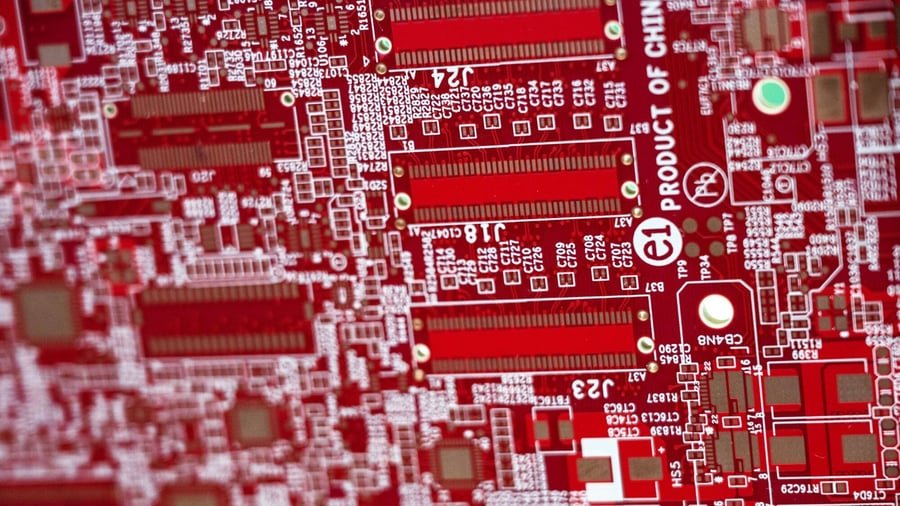
The European industry is facing an acute supply crisis triggered by the increasing demand for printed circuit boards (PCBs). In particular, companies in the field of artificial intelligence, such as Nvidia, have begun to acquire production capacities in Asia. This development has resulted in a significant restriction of the availability of PCBs, which are essential for numerous electronic devices. In the past, PCBs were not a central topic for buyers, but the current situation has fundamentally changed this. The demand for these components has risen exponentially in recent years, especially due to the boom in AI technology.
The relocation of production out of Europe has further exacerbated the situation, as many manufacturers have shifted their capacities to countries with lower production costs. The impacts of this crisis are already being felt across various sectors. Automotive manufacturers, who are increasingly relying on digital technologies, report production delays. The electronics industry is also affected, as many companies struggle to bring their products to market on time. The dependence on Asian suppliers has proven problematic, as they are unable to meet the increased demand.
Analysts estimate that supply bottlenecks could persist until 2027 unless significant changes are made in production strategies. The European industry faces the challenge of finding alternative sources and strengthening local production. Some companies have already begun investing in new production facilities in Europe to reduce dependence on Asian suppliers. The situation is further complicated by geopolitical tensions and trade conflicts. These factors have led to uncertainties in supply chains, making the planning and execution of production processes more difficult. Companies must increasingly adapt to flexible strategies to respond to sudden changes in the availability of components.
Responses to the supply crisis are varied. Some companies have already taken measures to stock up their inventories and avoid shortages. Others are relying on long-term contracts with suppliers to ensure a more stable supply. Industry associations are calling on policymakers for support to promote domestic production and encourage investments in new technologies. However, some experts warn that short-term solutions will not be sufficient to address the challenges facing the industry.
The necessity to invest in research and development is seen as crucial to developing innovative production methods and increasing efficiency. The industry faces the task of adapting to changing market conditions while ensuring product quality. The demand for PCBs is expected to continue rising as more companies adopt AI technologies. According to a recent study, the PCB market is projected to grow by 23% by 2028. This development could further exacerbate the existing bottlenecks if timely measures are not taken.
The European industry must adjust to a new reality where the availability of key components like PCBs is critical for success. The challenges are significant, but the opportunities for companies willing to invest in new technologies and production methods could be substantial. The coming months will be crucial to see how the industry responds to this crisis and what strategies are developed to ensure supply security. The situation is further complicated by the fact that many companies in the industry are already struggling with a shortage of skilled workers. Recruiting and training qualified personnel is essential to increase production capacities and secure competitiveness.
According to the industry association, 30% of positions in the electronics industry are currently unfilled. The challenges arising from the current supply crisis are complex and require a coordinated approach from companies, associations, and policymakers. Only through joint efforts can we succeed in making the European industry future-proof and reducing dependence on external suppliers. "We must act now to secure the competitiveness of the European industry," said a spokesperson for the industry association.








💬 Comments (0)
No comments yet. Be the first to comment!