


Intel Recommends 64-MB BIOS for Future CPUs
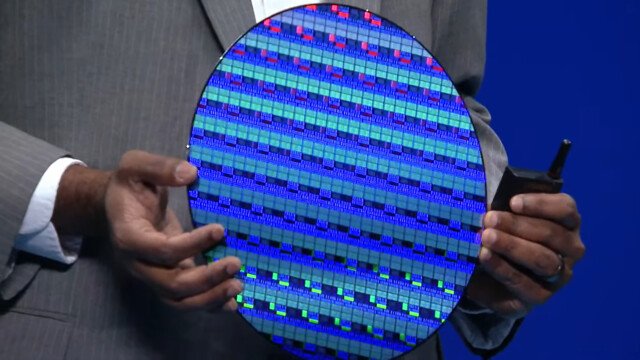
Intel has urged its partners on June 3, 2026, to integrate 64-MB BIOS chips into their products. This measure aims to ensure that platforms are optimally prepared for the next generations of processors, including Nova Lake, Razor Lake, and Hammer Lake. The recommendation applies to all segments, including the budget segment, thereby increasing the accessibility of new technologies. The decision to use 64-MB BIOS chips is part of Intel's strategy to ensure compatibility with future processors.
These chips enable enhanced functionality and support for new features that will be introduced with the upcoming CPU generations. Intel plans to launch the new processors in the coming years, underscoring the need for a future-proof hardware architecture. The Hammer Lake architecture is regarded as one of the next major developments in Intel's product line. This architecture is expected to provide improved performance and energy efficiency, which is crucial for the increasing demands for computing power across various applications. Intel has already released initial technical details about Hammer Lake, indicating a significant performance boost compared to previous models.
The introduction of 64-MB BIOS chips could also impact the entire PC industry. Manufacturers that do not implement this technology may struggle to keep pace with competitors who are already adopting the new standards. This could lead to a faster adoption of the new processors and accelerate innovation cycles within the industry. Intel has emphasized that the use of 64-MB BIOS chips is important not only for high-end systems but also for more affordable models. This could result in powerful systems in the budget segment being equipped with the latest technologies.
Broader availability could promote the acceptance of new technologies among the general public. Support for the new processors will also be driven by the development of corresponding chipsets. Intel has announced that the new chipsets will be specifically optimized for the Hammer Lake architecture. These chipsets are designed to enable improved communication between components and enhance overall system performance. The implementation of 64-MB BIOS chips could also influence software development.
Developers will be able to integrate new features and optimizations that target the enhanced capabilities of the new hardware. This could lead to a variety of new applications that fully leverage the performance of the upcoming processors. Intel plans to launch the first Hammer Lake processors in 2027. The exact timeline for the introduction and availability of the new chips is still being finalized. However, preparations for the market launch are already in full swing to ensure that the new products meet customer expectations.
Intel's recommendation to use 64-MB BIOS chips is a clear indication of the company's future direction. Adapting to new technologies and standards is seen as crucial for remaining competitive in the fast-paced computer hardware market. Intel is committed to advancing the development of innovative solutions that meet the demands of the next generation of computers. The introduction of Hammer Lake is also expected to change the competitive landscape in the processor market.
With a focus on energy efficiency and performance, Intel may be able to regain market share lost to competitors in recent years. The coming months will be critical to see how these developments will impact the industry. Intel has clearly highlighted the importance of 64-MB BIOS chips for future hardware architecture. The implementation of this technology is seen as key to supporting the next generation of processors that are already in development.





💬 Comments (0)
No comments yet. Be the first to comment!