


Historian O'Mara Warns of Tech Elite
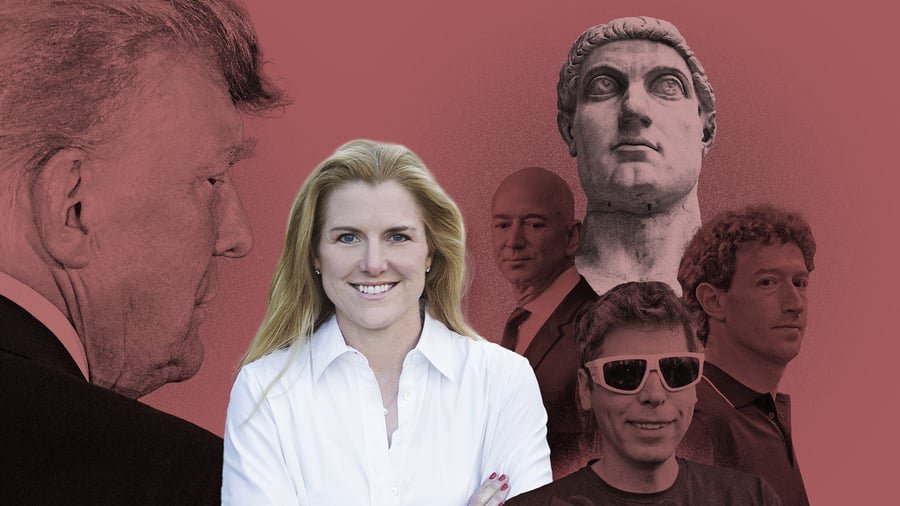
Historian Margaret O’Mara has sharply criticized the plans of the tech elite in a recent interview. She draws parallels between today's tech billionaires and the robber barons of the 19th century. O’Mara emphasizes that many ideas from today's tech titans may seem absurd, but they must be taken seriously as they can have far-reaching societal impacts. O’Mara, who teaches at the University of Washington, points to the concentration of power in the tech industry.
This development leads to a new form of inequality that has not only economic but also social and political dimensions. The historian sees the plans of the tech elite as a threat to the democratic structures that have been built over the past decades. A central theme in O’Mara's argument is the control over data and information. She highlights that companies like Google and Facebook not only possess economic power but also the ability to shape public opinion. This power can be used to promote political agendas, jeopardizing media independence and the diversity of opinions.
The historian also criticizes the notion that technology alone is the solution to societal problems. In her view, it is often overlooked that technological innovations also bring new challenges. O’Mara calls for a more critical engagement with the ethical implications of technologies such as artificial intelligence and surveillance systems. Another point O’Mara raises is the responsibility of tech companies towards society. She demands greater transparency and accountability.
O’Mara argues that companies should be held accountable not only for their products but also for the societal impacts of their technologies. She sees the necessity for governments and societies to actively engage in the discussion about the future of technology. She advocates for stronger regulation of the tech industry to ensure that innovations align with societal values. This could be achieved through legal frameworks that limit the power of tech billionaires. The historian concludes with a compelling appeal to the public to actively participate in the debate about the role of technology in society.
She emphasizes the importance of hearing citizens' voices and including them in decision-making processes. Only in this way can a balance between technological advancement and societal well-being be achieved. "We must ensure that technology serves people and not the other way around," says O’Mara. Her warnings come at a time when the discussion about the regulation of tech companies is gaining intensity worldwide.






💬 Comments (0)
No comments yet. Be the first to comment!