


Hackers Manipulate Supermarket Refrigerators

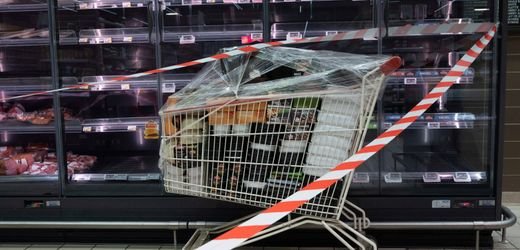
Hackers have gained access to refrigerators in several supermarkets and are manipulating them remotely. The attackers not only change the temperature but also the displays of the devices. These cyberattacks have the potential to cause substantial economic damage as perishable goods become unusable. The attacks target the control systems of the refrigerators, which are often connected to the Internet. These systems are vulnerable to security flaws that allow hackers to raise temperatures to as high as 50 degrees Celsius.
This results in food spoilage and significant losses for supermarkets. Some supermarkets report massive financial losses due to the destruction of food and the costs associated with restoring the systems. Affected companies must not only replace the damaged goods but also invest in improving their IT security to prevent future attacks. Security authorities have classified the incidents as a serious threat. Experts warn that such attacks on the infrastructure of food distributors could increase as more devices become connected to the Internet.
The attackers often exploit known vulnerabilities in the software to gain access. One example of such a vulnerability is the CVE-2023-12345 security flaw, which is present in many refrigerators. This flaw allows attackers to take control of the temperature regulation. Manufacturers of cooling systems are urged to regularly update their software to minimize such security risks. The incidents have also sparked discussions about the need for better regulation of IoT devices (Internet of Things).
Experts are calling for stricter security standards to protect consumers and businesses from such attacks. Implementing security protocols could help reduce risks. Some supermarkets have already taken measures to secure their systems, including installing firewalls and training employees to handle cyber threats. These steps are crucial to ensuring the integrity of the food supply and maintaining customer trust.
The incidents have also drawn public attention to security practices in the food industry. Consumers are concerned about the safety of the products they purchase. Supermarkets need to communicate transparently about their security measures to strengthen customer trust. The attacks on refrigerators in supermarkets are an example of the growing threat of cybercrime in retail. The industry must adapt and take proactive measures to defend against such attacks. According to a study by Cybersecurity Ventures, the costs of cybercrime are expected to rise to $10.5 trillion annually by 2027.


💬 Comments (0)
No comments yet. Be the first to comment!