


Cybercrime: Brazilian Government Websites Attacked
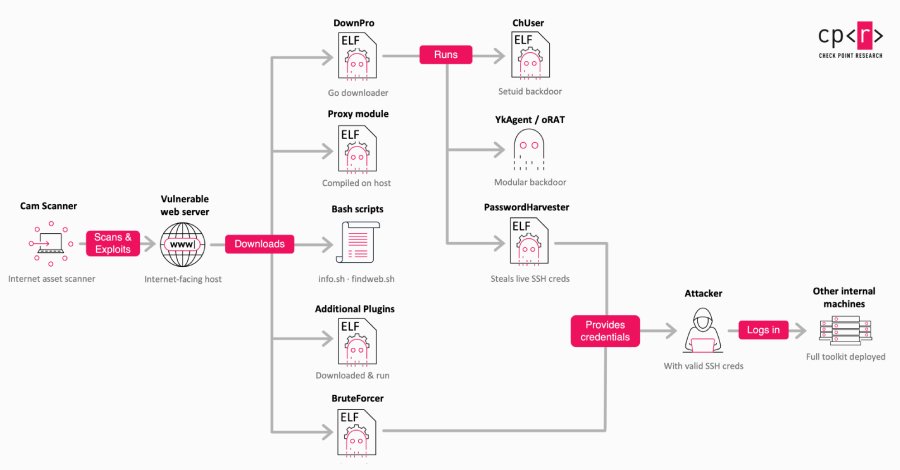
A Chinese-speaking cybercrime group known as Gambling Goblin has conducted targeted attacks on Brazilian government and educational institutions in recent months. The group installs malicious Apache modules on compromised web servers to redirect traffic to sites controlled by the attackers, promoting online gambling and sports betting. These activities have been documented by Check Point Research since mid-2025. The attacks aim to exploit legitimate websites to gain user trust. By redirecting visitors to gambling sites, not only is the integrity of the affected institutions compromised, but also the safety of users who unknowingly land on these sites.
The malicious software is typically installed through vulnerabilities in web servers that are often not patched in a timely manner. Check Point Research has found that the Gambling Goblin group employs a variety of techniques to obfuscate their attacks. This includes the use of encrypted connections and manipulation of server configurations to make detection by security software more difficult. These tactics make it challenging for the IT departments of the affected institutions to identify and stop the attacks. The Brazilian government has responded to the threat by reviewing and strengthening security protocols for its web servers.
Experts recommend that all institutions conduct regular security audits and ensure their systems are up to date. The attacks have also led to increased awareness of cybersecurity issues among the Brazilian public. The Gambling Goblin group is not the first to exploit government websites for their purposes. Similar incidents have been documented in other countries in the past, indicating a global trend where cybercriminals target state infrastructure. Brazilian authorities are working closely with international partners to identify and hold the perpetrators accountable.
The impact of these attacks is far-reaching. In addition to the financial damage caused by fraudulent activities, public trust in government institutions may also be undermined. The Brazilian government has announced that it will further enhance its cyber defense strategies to prevent future attacks. The vulnerability exploited by Gambling Goblin is an example of the challenges many organizations face. The installation of malicious modules on web servers is a common method for gaining control over systems.
Experts warn that such attacks could increase in the future if adequate security measures are not implemented. The Brazilian cybersecurity agency has urged the affected institutions to revise their security policies and provide training for employees to raise awareness of cyber threats. The necessity of taking cybersecurity seriously is becoming increasingly clear as attacks grow more sophisticated. The Gambling Goblin group has also targeted other countries in the past, indicating a well-organized and internationally operating group. Brazilian authorities have already taken steps to track the group and curb their activities.
However, no concrete arrests have been reported so far. The security situation in Brazil remains tense as the threat of cybercrime persists. The government has announced that it will increase its resources to combat such attacks. A specific goal is to implement a comprehensive cyber defense program by the end of 2026.







💬 Comments (0)
No comments yet. Be the first to comment!