


Historian O'Mara Warns of Tech Elite
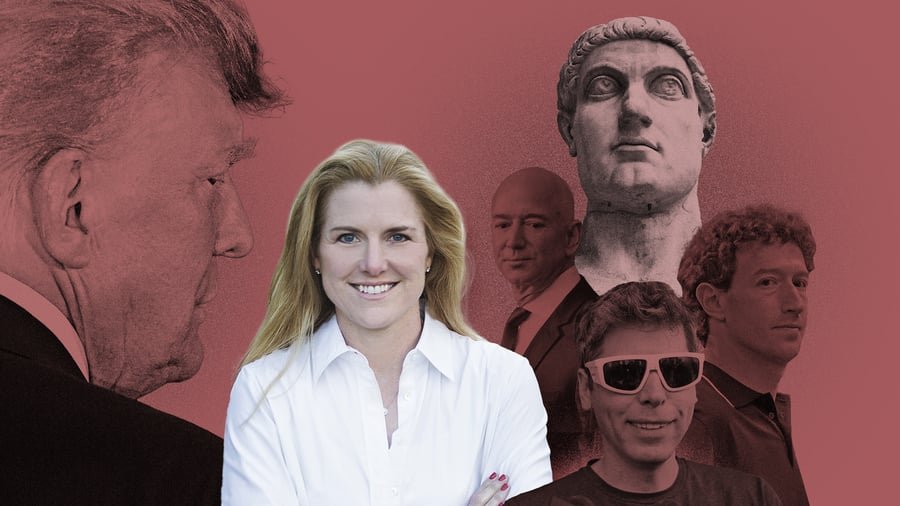
Historian Margaret O'Mara has sharply criticized the plans of the tech elite in a recent interview. She draws parallels to the robber barons of the 19th century and warns that many ideas from today's tech titans are dismissed as silly, yet must be taken seriously. O'Mara, who teaches at the University of Washington, emphasizes that the power and influence of these entrepreneurs have far-reaching societal implications. She highlights that tech billionaires not only possess economic power but also seek to change societal norms and values.
These changes could have profound consequences for democracy and social justice. The historian points to the ways in which these entrepreneurs impose their visions, often disregarding existing social structures. A central theme in O'Mara's argument is the notion that the tech elite presents itself as problem solvers while simultaneously ignoring the roots of the problems. She criticizes that many of these solutions are technological approaches that do not address the underlying social and economic inequalities. This approach could lead to further fragmentation of society in the long run.
The historian refers to the history of industrialization, when entrepreneurs like Andrew Carnegie and John D. Rockefeller gained enormous power and often presented themselves as benefactors. O'Mara sees parallels with today's tech giants, who also portray themselves as saviors of humanity. However, this self-presentation could distract from the real impacts of their business practices. Another point O'Mara raises is the role of regulation and government oversight.
She calls for greater political intervention to limit the power of tech companies. O'Mara argues that without appropriate regulation, there is a risk that these companies will abuse their power and further fragment society. She emphasizes that society must remain vigilant to critically question developments in the tech industry. She calls for a broader public debate on the ethical implications of technologies and their impact on daily life. The historian sees the necessity for citizens and decision-makers to actively engage in this discussion.
In conclusion, O'Mara states that the challenges posed by the tech elite must not be ignored. She appeals to society to confront the questions arising from the concentration of power in the tech sector. "We must ensure that technology serves the people, not the other way around," says O'Mara. The discussion about the power of the tech elite and its influence on society is expected to intensify in the coming months, especially in light of upcoming political elections and regulatory measures.






💬 Comments (0)
No comments yet. Be the first to comment!