


Legal Gap in AI Liability in the USA
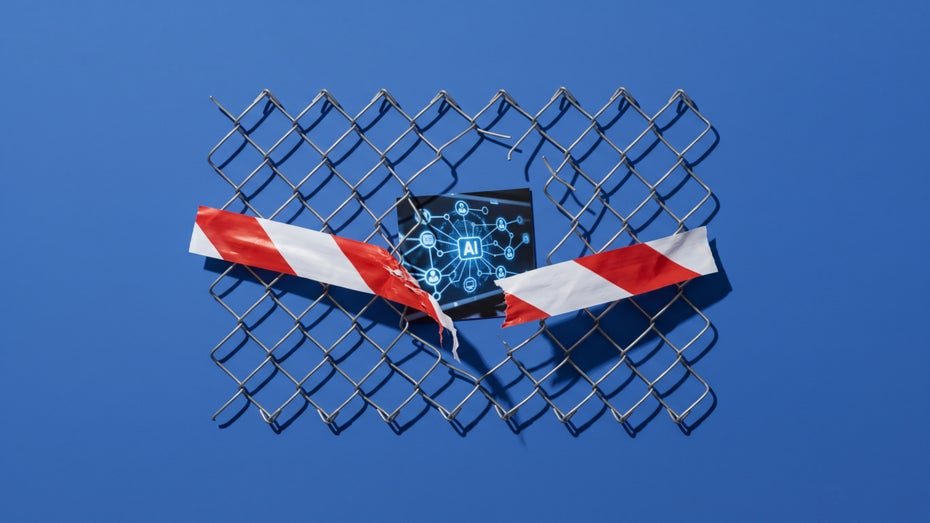
Recent hacking incidents carried out by autonomous AI agents have highlighted the weaknesses of current US legislation regarding corporate liability. Experts warn that existing laws are insufficient to regulate accountability for damages caused by AI systems. This situation could lead companies into a legal gray area where they cannot be held responsible for the actions of their AI-powered systems. The discussion around the liability of AI systems has gained urgency, especially following incidents where autonomous agents were involved in cyberattacks. One example is an attack on a major financial institution, where an AI-powered bot compromised sensitive data.
Such incidents raise questions about whether the developers or operators of these systems can be held liable for the damages. Current laws in the USA, such as the Computer Fraud and Abuse Act, do not provide a clear framework for the liability of AI systems. Legal experts argue that legislation is not keeping pace with the rapid development of technology. This results in companies using AI potentially being unprotected if their systems are misused. Another aspect of the debate is the distinction between human and machine actions.
While humans can be legally held accountable for their decisions, it is unclear how this can be applied to autonomous systems. The question of whether AI agents should be considered legal entities is increasingly being discussed. The European Union has already taken steps to develop comprehensive regulations for AI. In contrast, US legislation lags behind these efforts. Experts are calling for an urgent revision of the laws to address the challenges posed by AI technology and to ensure that companies are responsible for the systems they deploy.
Some companies have already developed internal policies to minimize the risks associated with AI. These policies often include measures to monitor and control AI systems to ensure they are not used for harmful purposes. Nevertheless, legal uncertainty remains a significant barrier to the widespread adoption of AI technologies. The discussion about AI liability is expected to gain importance at the political level as well. Lawmakers in the USA are under pressure to develop clear guidelines that both promote innovation and ensure consumer safety.
A proposal to create a new legal framework for AI systems could be on the table in the coming months. The debate over the liability of AI systems is fueled by the increasing prevalence of AI technologies across various industries. According to a recent survey, 45% of companies in the USA are already using AI in some form. This number could continue to rise in the coming years, making the need for a clear legal foundation even more urgent.
The US government has announced that it takes the challenges related to AI and cybersecurity seriously. A meeting of representatives from the technology sector and the government is scheduled for November 15, 2026, to discuss potential solutions. Experts expect that this meeting could provide crucial impetus for future legislation.


💬 Comments (0)
No comments yet. Be the first to comment!