


Dan Lahav on AI Risks and Cyber Capabilities
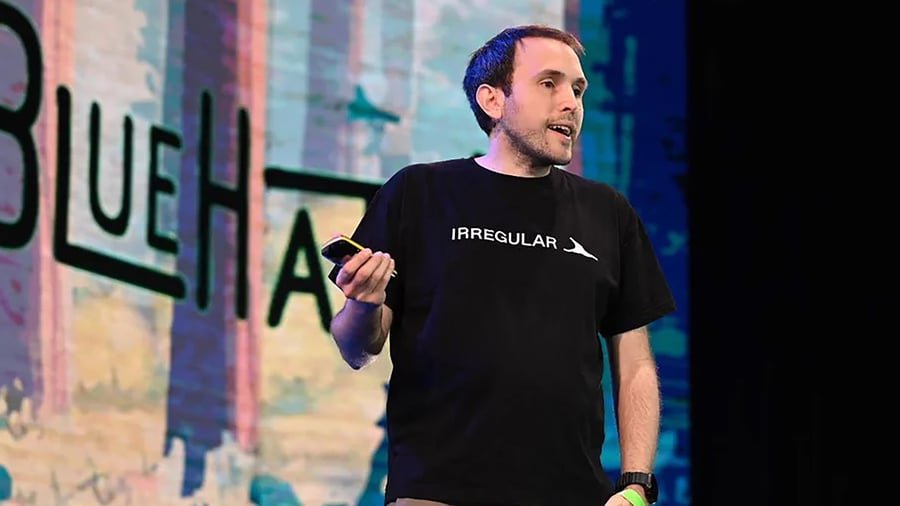
Dan Lahav, CEO of Irregular, addressed the challenges and risks in the field of artificial intelligence (AI) in a recent interview. His company tests leading AI models for potential dangers and security vulnerabilities. Lahav emphasizes that the world needs to be better prepared for the possible threats posed by advanced technologies. A central concern for Lahav is the assessment of cyber capabilities enabled by AI. He warns that many companies underestimate the risks associated with the implementation of such technologies.
According to Lahav, inadequate security measures can lead to significant data losses and financial damages. Irregular has investigated several incidents in the past where AI systems have failed. These failures have not only highlighted technical issues but also underscored the necessity for comprehensive risk assessments. Lahav points out that it is crucial to understand the weaknesses of AI algorithms in order to develop appropriate countermeasures. One example of such a failure was an incident where an AI-driven system in a large company made erroneous decisions that led to a production halt.
Lahav explains that such incidents are not isolated and that companies must take proactive measures to avoid similar problems in the future. The discussion about AI risks is intensified by the increasing prevalence of AI applications across various industries. Lahav notes that particularly in healthcare and finance, the reliance on AI technologies is rapidly increasing. These sectors are especially vulnerable to cyberattacks that can exploit weaknesses in AI systems. To address these challenges, Lahav recommends enhanced collaboration between companies, governments, and research institutions.
He calls for a joint strategy for developing secure AI systems that considers both technical and ethical aspects. This could help strengthen trust in AI technologies and ensure their safe application. Another important point in Lahav's argument is the necessity for training and continuing education for employees working with AI systems. He emphasizes that a better understanding of the technology and its risks is crucial for early detection and mitigation of potential dangers.
Companies should therefore invest in training programs to prepare their employees for the challenges of the digital future. The recently discovered security vulnerability CVE-2026-1234 reportedly affects around 50,000 systems in Germany, according to the BSI. This vulnerability highlights the urgency with which companies need to review and adjust their security measures to defend against potential attacks. "We need to prepare the world for what could happen," says Lahav, underscoring the responsibility of companies in dealing with AI.





💬 Comments (0)
No comments yet. Be the first to comment!