


SpaceX Plans Massive Satellite Launch
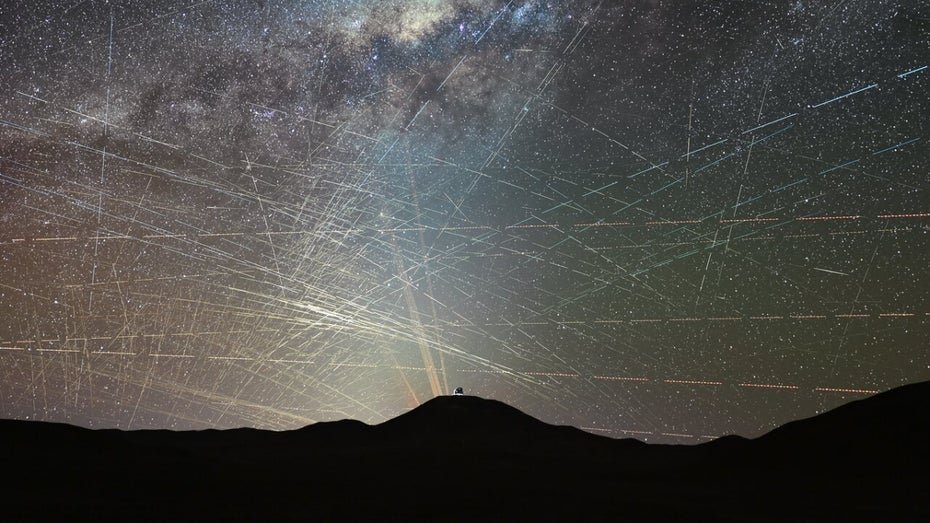
SpaceX has announced plans to launch up to one million satellites into low Earth orbit. This massive expansion could have serious implications for astronomical research, as the view of the night sky will be significantly disrupted by the multitude of satellites. Scientists warn that optical astronomy in its current form is at risk. The European Southern Observatory (ESO) has already expressed concerns that light pollution from the satellites could severely affect observations of celestial bodies. The ESO emphasizes that the number of satellites SpaceX plans will greatly restrict the visibility of stars and other astronomical objects.
This could hinder research on important astrophysical phenomena. Currently, thousands of satellites are already in orbit, and SpaceX's planned launches could exponentially increase this number. The astronomical community has pointed out that the light reflections and movements of the satellites will degrade the data quality from telescopes. In particular, large telescopes used for exploring the universe may no longer operate effectively under these conditions. The ESO has published a study detailing the potential impacts of the satellites on astronomical research.
According to this study, the visibility of up to 30% of stars in certain regions of the sky could be compromised. This would significantly limit astronomers' ability to make new discoveries. SpaceX has not yet commented on the ESO's concerns. However, the company aims to achieve global internet coverage through its Starlink project. The planned number of satellites is part of this strategy, which seeks to provide internet access to remote areas of the Earth.
The astronomical community has already proposed measures to mitigate the impact of the satellites on research. These include technical solutions, such as using telescopes with special filters that can filter out satellite light. However, these technologies are still in the development phase and are not widely available. Some astronomers are calling on SpaceX and other companies operating satellites in orbit to take more responsibility. They suggest that companies should be required to design their satellites to reflect less light.
This could help minimize the impact on astronomical research. The discussion about the effects of satellites on astronomy is not new, but it has gained urgency due to SpaceX's plans. The astronomical community has previously raised similar concerns when other companies announced their satellite projects. The ESO has positioned itself as one of the leading voices in this debate, calling for measures to limit the impact on research. The next steps in this debate could be crucial for the future of astronomical research.
The ESO plans to present its findings and recommendations at international conferences to raise awareness of the issue. A specific date for the next conference has not yet been set, but discussions on the topic are expected to take place in 2026. The astronomical community faces a challenge that requires not only technical solutions but also collaboration between companies and scientists. The ESO has already initiated discussions with SpaceX and other satellite operators to explore possible solutions. The outcomes of these discussions could have far-reaching consequences for the future design of satellites.








💬 Comentarii (0)
Inca nu exista comentarii. Fii primul!