


Demis Hassabis Leaves Google DeepMind
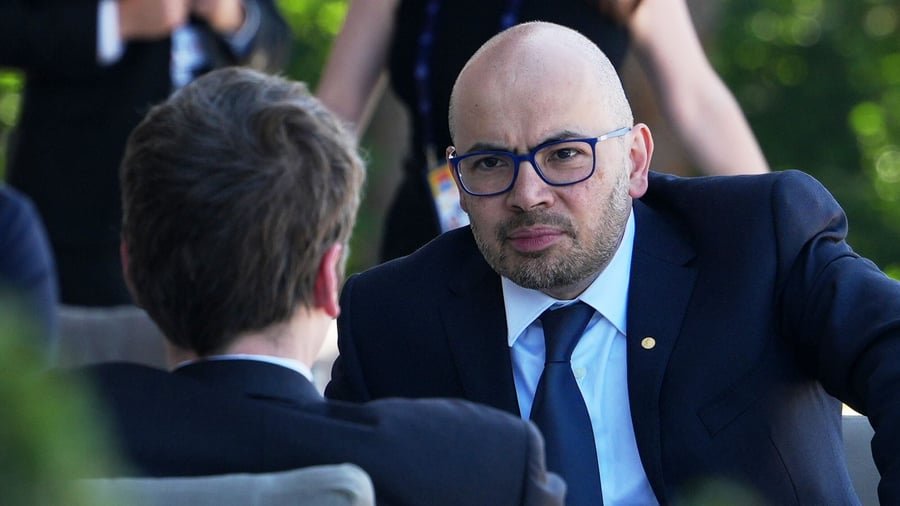
Demis Hassabis, the co-founder of Google DeepMind, has announced that he will be stepping down from the leadership of Alphabet's AI division. He will now serve as the Chief Scientist for the entire corporation. This decision comes at a time when key AI projects are stagnating and research and development expenditures continue to rise. The handover of DeepMind's leadership occurs amid growing concerns about the company's progress in artificial intelligence. In recent months, there have been reports of delays in the development of new products and technologies.
These uncertainties have negatively impacted investor confidence, reflected in a significant decline in Alphabet's stock price. Analysts have classified the situation at Google DeepMind as critical. The challenges facing the company include not only technical hurdles but also increasing competition in the AI sector. Companies like OpenAI and Microsoft have made significant strides in recent years, increasing the pressure on DeepMind. Hassabis, who founded Google DeepMind in 2014, has developed the company into one of the leading players in the field of AI.
Under his leadership, significant advancements were made, including the development of AlphaGo, which became the first AI system to defeat a human world champion in the game of Go. However, these successes have not been sufficient to address the current challenges. Hassabis's decision to step down could also impact the strategic direction of DeepMind. It remains to be seen how the new leadership will shape existing projects and future research. Uncertainty about the company's future direction could continue to weigh on stock prices.
The market's reaction to the news of Hassabis's transition was immediately felt. Alphabet's stock fell by 8% within hours of the announcement. Investors are concerned about the long-term prospects of the company in the AI sector, especially in light of rising operational costs and stagnating progress. The challenges facing Google DeepMind are not only financial. Technological setbacks and the pressure to keep pace with other leading companies in the AI sector present additional hurdles.
Uncertainty regarding future product development could also affect the recruitment of new talent. Hassabis will continue to play a key role in the company by leading Alphabet's research strategy as Chief Scientist. This position may allow him to focus on the company's long-term vision while operational matters are managed by a new team. The exact composition of this new leadership team is currently unclear.
The changes at Google DeepMind are part of a larger trend in the technology industry, where companies are adjusting their leadership structures to better respond to market challenges. The coming months will be crucial to see how these changes impact Alphabet's innovation and competitiveness. The next major announcement from Alphabet is expected on September 15, 2026, when the company plans to present its latest advancements in artificial intelligence.


💬 Comments (0)
No comments yet. Be the first to comment!