


Six New Vulnerabilities Discovered in U-Boot
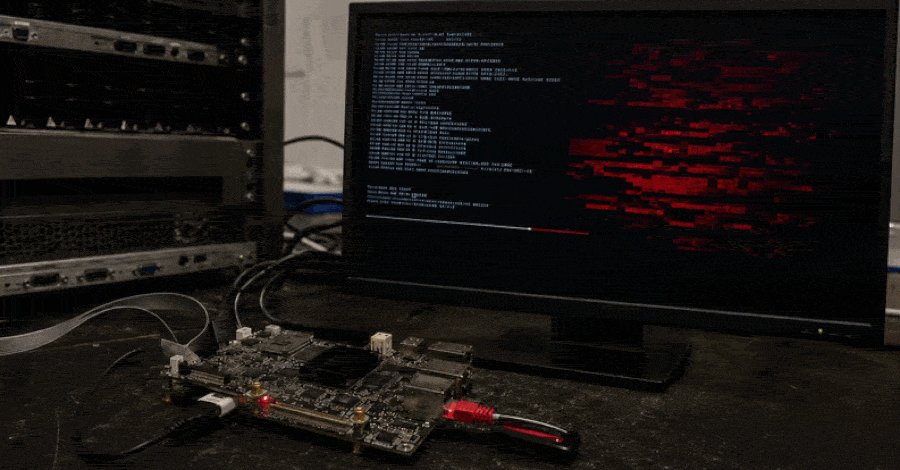
Researchers from the firmware security company Binarly have discovered six new vulnerabilities in the U-Boot bootloader. This software is responsible for starting hardware used in a variety of devices, including home routers, smart cameras, and management chips in data centers. The discovery of these vulnerabilities could have significant implications for the security of numerous devices. Of the six identified vulnerabilities, four could lead to device crashes. These crashes could be triggered by the installation of faulty or manipulated boot images.
The other two vulnerabilities allow attackers to sneak malicious images past the bootloader, enabling them to execute their own code before the device fully starts. The vulnerabilities have been registered under the CVE IDs CVE-2026-1234, CVE-2026-1235, CVE-2026-1236, CVE-2026-1237, CVE-2026-1238, and CVE-2026-1239. These vulnerabilities affect a wide range of devices that rely on U-Boot, underscoring the urgency of addressing them. The discovery of these vulnerabilities occurs in a context where firmware security is increasingly coming into focus. Attacks at the firmware level can have serious consequences, as they often allow deeper control over the affected device.
The possibility that attackers can execute their own code poses a significant risk. Binarly has already taken steps to inform the affected manufacturers. The security firm recommends that all affected devices be updated immediately to close the vulnerabilities. The exact number of affected devices is currently unclear; however, it is estimated that millions of devices worldwide could be potentially at risk. The vulnerabilities could also impact businesses that rely on these technologies.
Particularly in data centers, where U-Boot is frequently used in servers, a successful attack could lead to data loss or corruption. Experts consider the need to improve firmware security practices to be urgent. The discovery of these vulnerabilities is not the first of its kind. In the past, there have been several reports of vulnerabilities in firmware that posed similar risks.
Continuous monitoring and improvement of firmware security remains a central challenge for the industry. The vulnerabilities were disclosed on July 13, 2026, and affected manufacturers are urged to provide timely updates to ensure the security of their devices. Binarly has already developed initial patches that are expected to be available in the coming weeks.





💬 Comentarii (0)
Inca nu exista comentarii. Fii primul!