


Rocket Lab: Strategies in the Race for Space
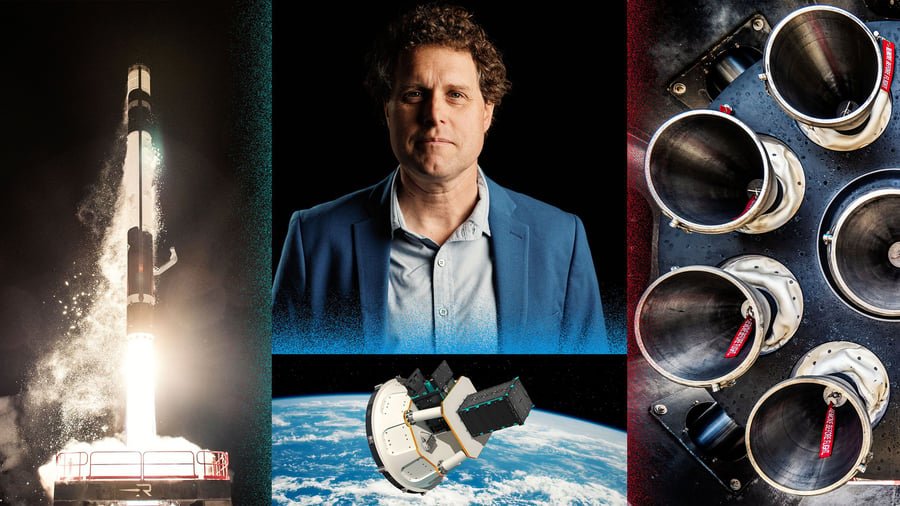
Rocket Lab, the second-largest space company, has established itself as a serious competitor in the aerospace sector in recent years. CEO Peter Beck explains how the company differs from SpaceX and what strategies are being pursued to remain competitive. The firm specializes in launching small satellites and plans to significantly expand its capacities in the coming years. By 2026, Rocket Lab had already conducted over 150 successful launches, making it one of the leading providers in the small satellite launch sector. Beck emphasizes that the efficiency and flexibility of the rockets are crucial for success.
The Electron rocket, used for these missions, is specifically designed for transporting smaller payloads and offers a cost-effective solution for satellite operators. A central element of the company's strategy is the development of the Neutron rocket, which is designed for larger payloads. This rocket is expected to be operational in the coming years and could lead Rocket Lab into new markets. Beck highlights that the Neutron rocket is intended not only for commercial missions but also for lunar and Mars research missions. Rocket Lab has also distinguished itself through innovative approaches in satellite technology.
The company not only offers launch services but also develops its own satellite solutions. These integrated services allow customers to plan and execute their projects more efficiently. Beck explains that this represents an important differentiation compared to other providers. Expansion into the international market is another significant step for Rocket Lab. The company recently reached an agreement with the New Zealand government to enable the launch of satellites from a new site in New Zealand.
This initiative aims to expand capacities and improve accessibility for international customers. A significant aspect of the corporate strategy is collaboration with various industry partners. Rocket Lab has formed partnerships with organizations such as NASA and various space agencies to realize joint missions. These collaborations strengthen Rocket Lab's position in the global aerospace market and open up new business opportunities. Rocket Lab's funding strategy has also contributed to the stability of the company.
Beck reports that the company is able to advance its research and development projects through targeted investments and partnerships. Recent funding rounds have enabled Rocket Lab to accelerate the development of the Neutron rocket and other technologies. Market analyses indicate that the demand for small satellites and their launches will continue to rise in the coming years. According to a study, the small satellite market is expected to grow by 23% annually by 2030. Rocket Lab is strategically positioning itself to benefit from this growth and expand its market share.
Beck concludes by stating that Rocket Lab is not only competing with SpaceX but also with other emerging companies in the aerospace sector. The ability to innovate and quickly adapt to market changes will be crucial for future success. "We are ready to take on the challenges of the coming years and implement our vision for space travel," says Beck. Rocket Lab's next major mission is planned for the third quarter of 2026, during which the Neutron rocket is set to be tested for the first time.








💬 Comentarii (0)
Inca nu exista comentarii. Fii primul!