


North Korea-Linked Malware Campaign Targets macOS Users
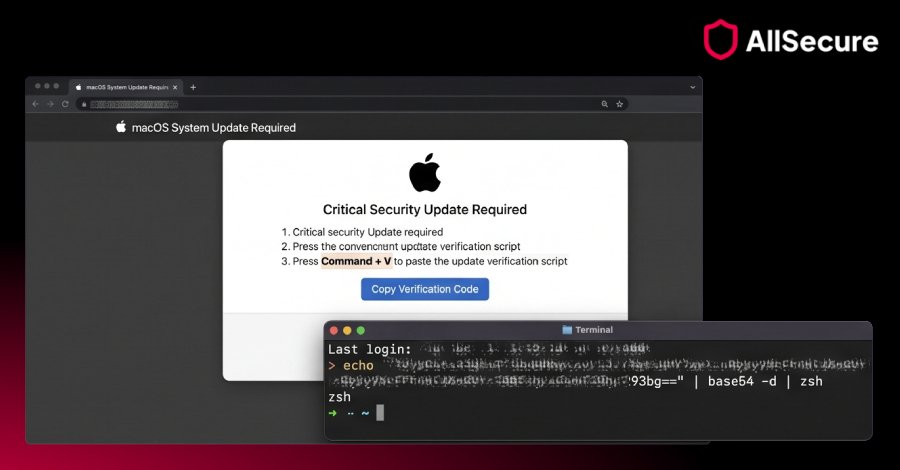
Threat actors with connections to North Korea have launched a sophisticated malvertising campaign targeting macOS users. This campaign redirects users to fake websites displaying a complete, non-existent update for macOS. The goal is to spread malware specifically designed for stealing cryptocurrencies. The current attack is a new iteration of the long-running Contagious Interview campaign. A key feature of these attacks is the use of a fake macOS software update screen that deceives users into believing an update is necessary.
This technique aims to gain the users' trust and lead them to unknowingly download the malware. The malware is typically disseminated through advertisements placed on legitimate websites. Once a user clicks on such an ad, they are redirected to the fake update page. There, a counterfeit update is displayed, enticing the user to download the malware, which is then installed in the background. Security researchers have noted that these attacks are particularly sophisticated as they mimic the macOS user interface.
The fake update screens are designed to closely resemble genuine macOS updates, making it difficult for users to detect the deception. This technique is part of a broader strategy aimed at circumventing security measures and persuading users to install the malware. The malware itself is designed to scan cryptocurrency wallets and steal private keys. This typically occurs by running in the background and monitoring the user's activities. When a user attempts to access their crypto wallet, the malware can intercept the necessary information and transmit it to the attackers.
The threat posed by this type of malware is not new; however, the connection to North Korea has drawn the attention of the security community. Experts warn that the attackers possess significant resources and are capable of continuously refining their techniques. This makes it challenging for users and businesses to protect themselves effectively. To safeguard against such attacks, it is recommended to download software updates only from official sources and to avoid installing software from unknown sources. Security researchers also advise using antivirus software and conducting regular security checks to detect potential threats early.
The vulnerability exploited by this malware is part of a larger trend where cybercriminals increasingly rely on social engineering techniques to obscure their attacks. The combination of fake updates and the imitation of legitimate software is an effective method for deceiving users and compromising their systems. Security authorities have already taken measures to curb the spread of this malware, including warnings to users and businesses, as well as collaborating with international partners to identify and hold the attackers accountable. However, investigations are complex, as the attackers often operate anonymously and cover their tracks.
The campaign has already claimed numerous victims, and the number of affected users could continue to rise if appropriate protective measures are not taken. Experts estimate that the attackers are capable of reaching thousands of users before the malware is fully identified and neutralized. The vulnerability exploited by this malware exemplifies the growing threat posed by state-sponsored cyberattacks. The attackers employ advanced techniques to achieve their objectives, and the security community must continuously adapt to counter these threats.
Security authorities recommend that users regularly check their systems for suspicious activities and ensure that all software is up to date. A proactive approach to cybersecurity can significantly reduce the risk of an attack. The malware campaign was first identified in July 2026 and has since gained momentum. Security researchers are working to understand the exact mechanisms of the malware and develop appropriate countermeasures.





💬 Comentarii (0)
Inca nu exista comentarii. Fii primul!