


Moonquakes Pose Challenge for Artemis Missions
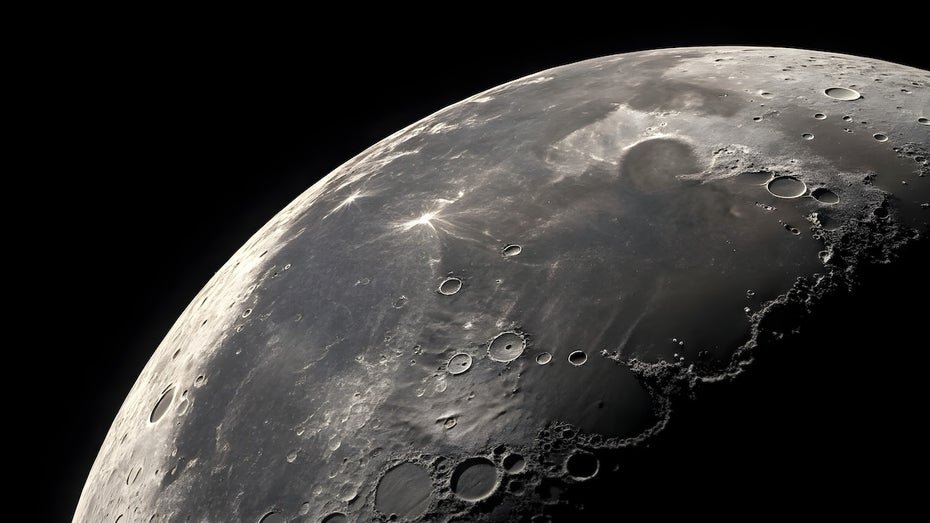
NASA plans to bring the first humans back to the Moon in over 50 years as part of the Artemis missions. These missions are scheduled for the coming years and aim to enable a return to the lunar surface. However, there is an underestimated danger that could jeopardize the safety of astronauts: moonquakes. Recent research shows that the Moon is susceptible to seismic activity due to its cooling surface and the associated shrinkage. These moonquakes can be triggered by various geophysical processes that are not yet fully understood.
Scientists have found that the frequency and intensity of these quakes have increased in recent years. NASA has already analyzed data from seismic sensors installed during the Apollo missions. These sensors recorded a variety of moonquakes that vary in strength. Some of these quakes could potentially be dangerous for astronauts and their equipment, especially during landing and while on the surface. Some experts warn that the lunar surface could be destabilized by the quakes, endangering the planned landing sites of the Artemis missions.
Therefore, NASA must develop new strategies to ensure the safety of astronauts. This includes identifying safe landing zones and developing technologies that can withstand the impacts of moonquakes. The effects of moonquakes on the planned missions have not yet been fully quantified. Scientists are working to create models that can predict the likelihood and potential impacts of moonquakes. These models are crucial for minimizing risks to astronauts and successfully conducting the missions.
NASA has already announced that it will install additional seismic measuring devices on the Moon to gain a better understanding of moonquakes. These devices are intended to collect data that will allow for real-time monitoring of seismic activity. The information gathered will also help to better understand the geological processes of the Moon. The first Artemis mission, Artemis I, has already been successfully completed, and the next mission, Artemis II, is planned for 2027. This mission will take astronauts into lunar orbit before they descend to the lunar surface.
NASA has emphasized that the safety of astronauts is the top priority and that all necessary measures will be taken to minimize risks. The challenges posed by moonquakes are not only a technical problem but also a scientific opportunity. The exploration of seismic activity on the Moon could provide new insights into the geological history of the Earth’s satellite. Scientists hope that the data collected during the Artemis missions will contribute to a better understanding of the Moon's formation and evolution. NASA plans to integrate the results of seismic measurements into future missions.
These insights could also be significant for planning long-term missions on the Moon, especially regarding the establishment of permanent bases. The ability to accurately predict seismic activity will be crucial for ensuring the safety of future lunar missions. The next phase of the Artemis missions will also include the development of new technologies to help astronauts navigate a potentially hazardous environment. This includes improved communication systems and emergency protocols that can be activated in the event of a moonquake. NASA is working closely with international partners to develop and test these technologies.
The seismic activity on the Moon could also have implications for future Mars exploration. Insights from the lunar missions could help better understand the risks for future Mars missions. NASA views the Artemis missions as an important step in preparing for manned exploration of Mars, which is planned for the 2030s. NASA is committed to ensuring the safety of astronauts during the Artemis missions. Insights into moonquakes will play a central role in the planning and execution of these missions. The next Artemis mission, Artemis II, is expected to launch in 2027.







💬 Comentarii (0)
Inca nu exista comentarii. Fii primul!