


Micron Announces 512-GByte RDIMM Modules
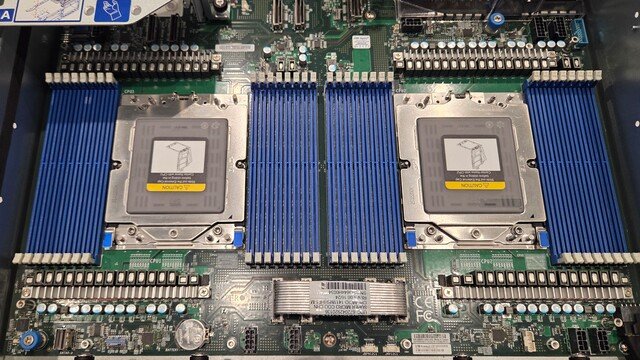
Micron announced the launch of 512-GByte RDIMM modules on September 17, 2026. These modules allow for up to 8 terabytes of RAM per CPU, enabling a total capacity of 16 terabytes of RAM in traditional 2-socket systems. This development was hinted at during the AMD Advancing AI 2026 event. The new modules are designed for use in high-performance computers and servers that need to process large amounts of data.
Micron aims to meet the demands of AI applications and Big Data, which increasingly require more memory. The modules are part of a broader strategy to optimize memory technology for modern data centers. The 512-GByte RDIMM modules utilize an advanced memory architecture that allows for higher density and efficiency. This is particularly important for companies aligning their infrastructure with cloud computing and virtualization. The modules are compatible with the latest processors and offer improved performance compared to traditional memory modules.
Another advantage of the new modules is the reduction in energy consumption. Micron has focused on enhancing energy efficiency in the development of the RDIMM modules, leading to lower operating costs for data centers. This could be of particular interest to companies that prioritize sustainability. The market launch of the 512-GByte RDIMM modules is expected in the coming months. Micron has already announced that the modules will be available in various configurations to meet different requirements.
The exact availability and technical specifications will be announced in the coming weeks. The introduction of these modules could also impact pricing in the memory market. Analysts expect that the availability of high-performance RAM will lead to increased competition among manufacturers. This could influence the prices of existing memory modules and stimulate investments in new technologies. Micron has established itself as a leading provider in the DRAM and NAND flash memory sectors in recent years.
With the introduction of the 512-GByte RDIMM modules, the company takes another step towards innovation and technological advancement. The modules could be particularly significant for companies operating in the fields of AI and machine learning. The new RDIMM modules are also of interest for high-performance computers and supercomputers that need to process large amounts of data in real-time. Micron plans to offer the modules in various markets, including financial services, healthcare, and research institutions. The 512-GByte RDIMM modules could also promote the development of new applications and services that rely on extensive data analysis.
Companies capable of integrating these technologies could gain a competitive advantage. Micron has already collaborated with several partners to facilitate the integration of the new modules into existing systems. Initial tests of the new modules show promising results in terms of performance and stability. Micron has emphasized that the modules undergo rigorous quality controls to ensure they meet the high standards of the industry. Testing is expected to be completed by the end of the year.
The introduction of the 512-GByte RDIMM modules could also spark discussions about the future of the memory market. Experts agree that the demand for high-performance RAM will continue to rise in the coming years. Micron is committed to providing innovative solutions to meet the changing needs of the industry. The new modules are also expected to be showcased at CES 2027, where Micron will provide further details on availability and technical specifications. CES is considered one of the most important trade shows for technology and innovation.





💬 Comentarii (0)
Inca nu exista comentarii. Fii primul!