


James Webb Telescope Revolutionizes Weather Forecasting in Space
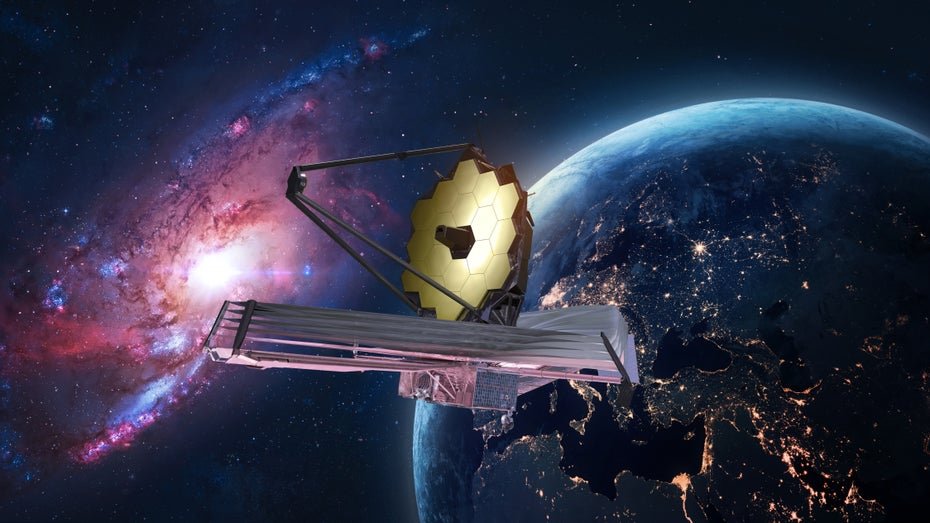
Scientists have made significant advances in the study of weather systems on planets outside our solar system through the James Webb Space Telescope (JWST). Located 20 light-years from Earth, the telescope allows for a detailed analysis of the atmospheric conditions on these distant worlds. These insights could form the basis for future interstellar weather forecasts. The JWST utilizes its advanced infrared sensors to determine the chemical composition and temperature of exoplanets. This data is crucial for understanding the dynamics of their atmospheres.
Researchers have already identified various weather systems that exist on these planets, raising new questions about climate dynamics in the universe. One example of the application of this technology is the exoplanet WASP-121b, classified as a hot Jupiter. Temperatures exceeding 3,000 degrees Celsius have been measured on this planet, leading to extreme weather conditions. The analysis of the atmospheric composition shows that water vapor and other molecules are present in the atmosphere, which are significant for weather forecasting. The JWST's ability to analyze light from distant planets opens new possibilities for meteorology.
Scientists can now develop models that predict not only current weather conditions but also future developments. These models could help expand the understanding of weather systems throughout the universe. Another significant aspect is the ability to observe atmospheric phenomena such as storms and winds on exoplanets. This information could provide important clues about how weather on these planets changes over time. Such data is crucial for developing theories about the climate history of other worlds.
Research at the JWST has also rekindled interest in the search for potentially habitable planets. The analysis of weather systems could shed light on whether certain planets have conditions that could support life. Scientists hope that future missions will provide even deeper insights into the atmospheric conditions on these planets. Advances in exoplanet research could also have implications for Earth. Insights into atmospheric processes on other planets could help improve climate models on Earth.
This could be particularly significant in times of climate change, as it opens new perspectives on the dynamics of weather systems. The next steps in research include developing improved models for predicting weather conditions on exoplanets. Scientists plan to further analyze JWST data and develop new technologies to capture atmospheric conditions even more precisely. These developments could lead to groundbreaking discoveries in the coming years.
The results of current studies will be presented at the upcoming conference on exoplanet research in January 2027. There, scientists will showcase their latest findings and models based on JWST data. The discovery of new weather systems on distant planets could revolutionize the way we understand the universe. The combination of advanced technology and interdisciplinary research will be crucial in further unraveling the mysteries of the universe.


💬 Comentarii (0)
Inca nu exista comentarii. Fii primul!