


Gen Z and Extremism in Social Media
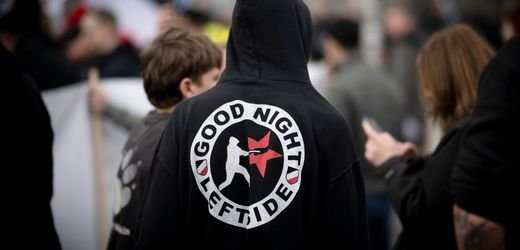
Young people in Germany are showing an increasing tendency towards radical political views, both left and right. This development is partly attributed to the use of social media platforms like TikTok and YouTube, where extremism appears to be rewarded. The polarization within Generation Z leads to a division in public opinion, which is reflected in social networks. A recent study found that about 40% of surveyed youths report frequently encountering extremist content on social media. This content ranges from political propaganda videos to extremist memes that are disseminated within the digital culture of the platforms.
The algorithms of these platforms often promote such content, as they achieve high interaction rates. The terms "Stable German" and "Shit Victim German" are examples of the linguistic polarization observable in these social media. These terms are frequently used to mark different political stances and to strengthen one's identity. Such labeling can lead to increased demarcation between groups and deepen societal divisions. Another aspect is the role of influencers, who often act as opinion leaders.
Many of these influencers have a large reach and can significantly influence the views of their followers through their content. Some of them propagate radical ideologies, which facilitates the spread of extremist thoughts within Generation Z. The impacts of these developments should not be underestimated. Experts warn that the radicalization of young people on social media could pose a threat to democratic values. The dissemination of extremist content could potentially alter the political landscape in Germany in the long term and lead to an increase in extremist movements.
To counteract this development, professionals are calling for stronger regulation of social media. It is suggested that platforms like TikTok and YouTube take more responsibility for the content they disseminate. A possible measure could be the introduction of stricter guidelines to combat hate speech and extremist content. The discussion about the responsibility of social media is not new, but it gains urgency due to the current situation. Policymakers and experts are working on solutions to reduce the spread of extremism on social media.
A concrete example is the planned revision of the Network Enforcement Act (NetzDG), which aims to strengthen the fight against hate crimes on the internet. Generation Z is the first to grow up with social media, and their political views are heavily shaped by these platforms. A survey among youths revealed that 65% of respondents feel their political opinions are influenced by content on social media. These figures highlight the necessity of taking the impact of social media on political opinion formation seriously. The debate about the role of social media in political education is also being intensively discussed in academia.
Researchers are examining how digital platforms can promote or hinder the political engagement of young people. Initial findings suggest that the type of content consumed is crucial for political socialization. The discussion about the polarization of Generation Z on social media is expected to gain significance in the coming years. The upcoming elections in Germany could be influenced by the changed political views of young voters. Experts estimate that the voter turnout of Generation Z in the next elections could be around 20%.





💬 Comentarii (0)
Inca nu exista comentarii. Fii primul!