


AI Revolution Changes Corporate Structures
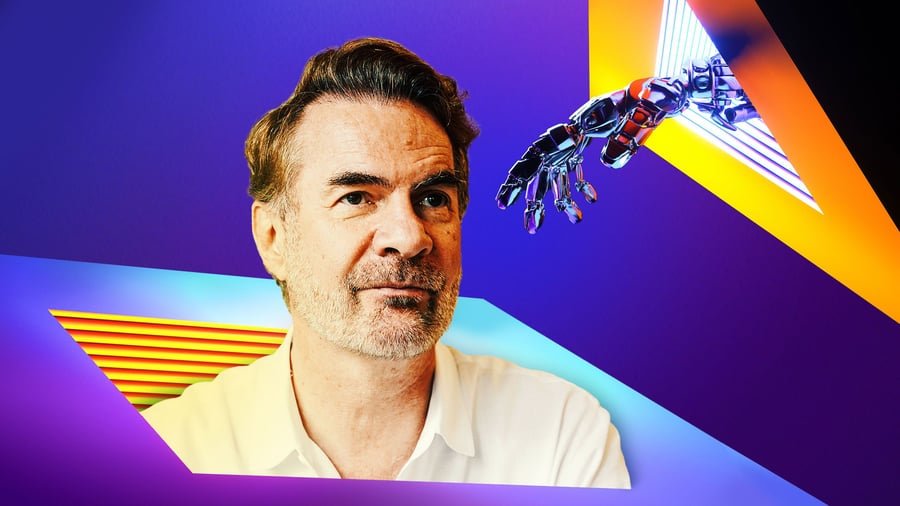
Stanford economist Erik Brynjolfsson has described in a recent interview the profound changes that Artificial Intelligence (AI) is exerting on the labor market. He emphasizes that companies must adapt to remain competitive. The role of leaders will fundamentally change, with the CEO increasingly acting as the "Chief Question Officer." Brynjolfsson explains that the introduction of AI technologies not only increases efficiency but also imposes new demands on employees. The ability to ask critical questions and develop creative solutions will be crucial.
This requires a shift in corporate culture that focuses on collaboration and innovation. A central theme in Brynjolfsson's argument is the necessity for leaders to involve their employees in the change process. The acceptance of AI technologies heavily depends on the willingness of the workforce to engage with these new tools. Training programs and continuous education are therefore essential. The impacts of AI on the labor market are already noticeable.
According to a study by the McKinsey Global Institute, up to 375 million workers worldwide may need to change their professional activities due to automation by 2030. Brynjolfsson highlights that this presents not only a challenge but also an opportunity for companies to rethink their business models. Another aspect Brynjolfsson addresses is the ethical dimension of AI usage. Companies must ensure that the implementation of AI technologies is done responsibly. This includes considering data privacy and avoiding discrimination in data usage.
The discussion around the role of AI in the workplace is further fueled by the rapid development of technology. Brynjolfsson points to the necessity for companies to proactively respond to these changes. Those who adapt early will gain a competitive advantage. A concrete example of AI integration in companies is the use of AI-powered analytical tools. These technologies enable companies to process large amounts of data efficiently and gain valuable insights.
Brynjolfsson emphasizes that the ability to interpret and strategically utilize this data is crucial for business success. In conclusion, Brynjolfsson states that the future of work lies in a symbiotic relationship between humans and machines. The challenge is to shape this relationship in a way that benefits both companies and employees. "We must learn to work with machines rather than against them," says Brynjolfsson.








💬 Comments (0)
No comments yet. Be the first to comment!