


First Power User of Brain Implant After Three Years
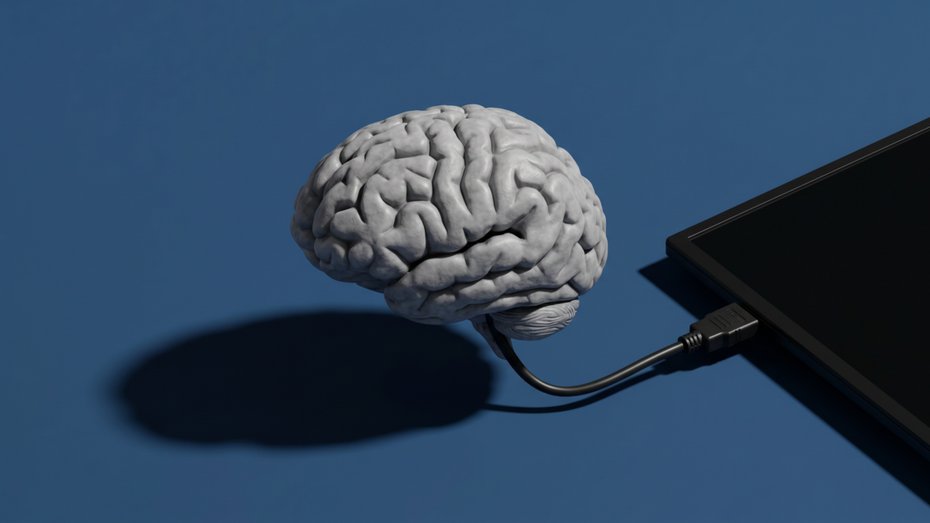
Casey Harrell, an ALS patient, received a brain-computer interface (BCI) in 2023 that enables him to communicate with his environment. This technology was developed to assist individuals with severe motor impairments in converting their thoughts into digital signals. Harrell is the first patient referred to as a "Power User" who has continuously utilized this technology over a period of three years. The BCI technology that Harrell uses is based on an implant that is directly connected to the brain. It captures neural activity and translates it into digital commands that can then be executed on a computer or other devices.
This type of interface has the potential to significantly improve the quality of life for individuals with similar conditions. Harrell reports that through the implant, he is able to write texts, send emails, and even participate in video conferences. Prior to the implantation, his ability to communicate was severely limited. The technology has enabled him to become more active in social life and maintain contact with friends and family. The development of this technology has been driven by an interdisciplinary team of neuroscientists, engineers, and computer scientists.
The researchers have continuously worked on improving signal processing and user-friendliness. Advances in software have allowed Harrell to significantly increase his communication speed and efficiency. An important aspect of BCI technology is its adaptability to the individual needs of users. Harrell has optimized his settings over time to enhance accuracy and response speed. These adjustments are crucial for making the technology accessible to various user groups.
Harrell's experiences also have implications for research and development in the field of neurotechnology. Scientists are analyzing his usage patterns to gain insights into the long-term application of brain implants. This data could influence future developments in BCI technology and enable new applications. The ethical implications of using brain-computer interfaces are also a central topic in discussions about this technology. Experts call for a careful weighing of risks and benefits, particularly concerning data privacy and the security of collected data.
The technology must be designed not only to assist users but also to protect their privacy. Advances in BCI technology could also impact other areas of medicine. Researchers are exploring how similar technologies can be used in the treatment of neurological disorders or in rehabilitation after strokes. The possibilities are promising, and developments in this field will continue to be closely monitored. Harrell himself speaks positively about his experiences with BCI technology.
He emphasizes that the ability to communicate again has changed his life. "It feels like I have gotten a part of myself back," he said in an interview. These personal stories are crucial for raising public awareness about the possibilities of neurotechnology. The next steps in the development of BCI technology include improving the implants themselves as well as expanding applications. Researchers are working to make the implants smaller and less invasive to increase acceptance among users. The next clinical trials are planned for 2027.




💬 Comentarii (0)
Inca nu exista comentarii. Fii primul!