


China Plans Stricter Export Controls for AI and Semiconductors
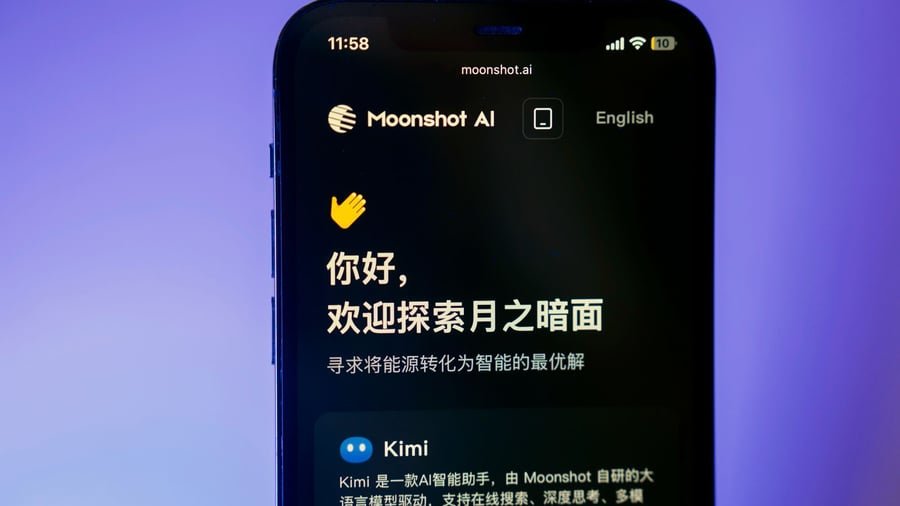
China is examining the introduction of stricter export controls for Artificial Intelligence (AI) and semiconductors. This measure could be a response to the already existing export restrictions imposed by the United States, which focus on advanced technologies. According to reports from Beijing, there is an intention to strengthen control over the export of these critical technologies. In recent years, the US has implemented comprehensive regulations to govern the export of AI technologies and high-performance chips. These measures aim to protect national security and secure the technological edge of the United States.
China's potential response could further escalate geopolitical tensions in the technology sector. Some analysts suspect that the new export controls reflect China's efforts to promote its own technological independence. The government may attempt to restrict access to critical technologies to protect and strengthen the domestic industry. This could also impact international companies that rely on Chinese technologies. The discussion about export controls comes at a time when China has significantly increased its investments in research and development in the fields of AI and semiconductors.
In 2025, investments in this sector exceeded $100 billion. These investments aim to promote technological self-sufficiency and reduce dependence on foreign technologies. The Chinese government has already taken measures to support the development of AI and semiconductors, including subsidies for companies and research institutes, as well as the establishment of innovation centers. These initiatives are intended to enhance China's competitiveness in the global technology market.
The potential new export controls could also affect global supply chains. Companies that manufacture or use semiconductors and AI technologies will need to prepare for possible restrictions. This could lead to production delays and increased costs, especially for companies that depend on access to Chinese technologies. The international community is closely monitoring the developments. Experts warn that an escalation of trade conflicts between China and the US could jeopardize the stability of global technology markets.
Uncertainty about future trade relations could prompt companies to rethink their strategies and focus on alternative markets. The exact details of the planned export controls remain unclear. The Chinese government has not yet made any official announcements, but insiders report internal discussions about the need to regulate the export of sensitive technologies. A specific timeline for the implementation of these measures has not yet been provided. Developments in export controls could also influence relations between China and other countries.
In particular, European countries that maintain close trade relations with China could be affected by the new regulations. The uncertainty surrounding the future trade landscape may force companies to reassess and potentially adjust their dependencies. The discussion about export controls is part of a larger trend where countries are trying to protect their technological capabilities while safeguarding their economic interests. The coming months could be crucial for how global technology markets evolve and what impact this will have on international cooperation. The Chinese government has previously emphasized that it considers the development of AI and semiconductors a strategic priority. The planned export controls could be another step towards greater control over these key technologies. Experts estimate that the new regulations could come into effect by the end of 2026.





💬 Comentarii (0)
Inca nu exista comentarii. Fii primul!