


WordPress behebt kritische Sicherheitslücke in Kernsoftware
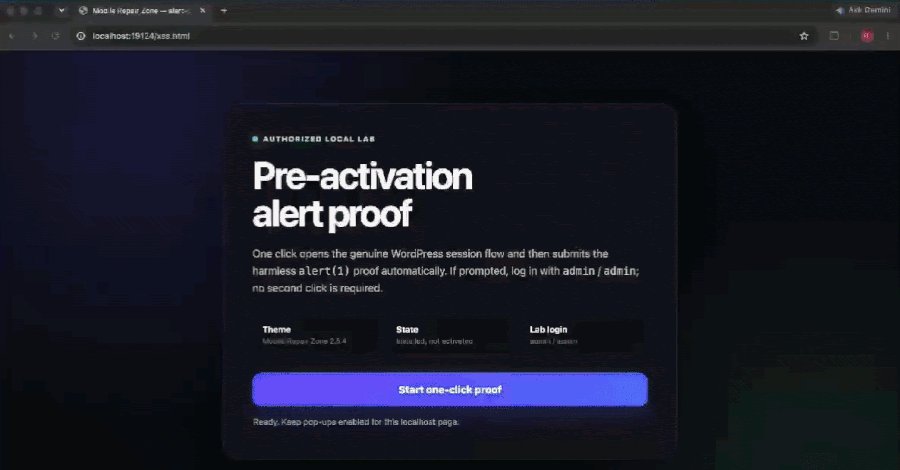
WordPress hat am 21. September 2026 mehrere Sicherheitsupdates veröffentlicht, um eine kritische Schwachstelle in seiner Kernsoftware zu beheben. Diese Sicherheitsanfälligkeit, die von der Sicherheitsfirma pwn.ai entdeckt wurde, könnte es einem Angreifer ermöglichen, über einen speziell gestalteten Weblink, der von einem angemeldeten Administrator geöffnet wird, ein Theme aus dem offiziellen WordPress.org-Verzeichnis zu installieren, ohne dass der Administrator auf "Installieren" klicken muss. Die Schwachstelle, die als Click2Shell bezeichnet wird, stellt eine ernsthafte Bedrohung für WordPress-Websites dar. Laut den Forschern von pwn.ai kann diese Sicherheitsanfälligkeit in einer Kette von Angriffen genutzt werden, um letztendlich Code auf dem Server auszuführen.
Dies könnte zu einer vollständigen Kompromittierung der Website führen, was für Administratoren und Benutzer gleichermaßen besorgniserregend ist. Die Sicherheitsupdates, die WordPress veröffentlicht hat, zielen darauf ab, diese Schwachstelle zu schließen und die Integrität der Plattform zu gewährleisten. Die genaue CVE-Nummer für diese Sicherheitsanfälligkeit wurde noch nicht veröffentlicht, jedoch wird empfohlen, dass alle Benutzer ihre WordPress-Installationen umgehend aktualisieren, um sich vor möglichen Angriffen zu schützen. Zusätzlich zu dieser kritischen Schwachstelle wurden auch mehrere andere Sicherheitsanfälligkeiten in der WordPress-Software behoben. Diese beinhalten unter anderem Probleme, die es Angreifern ermöglichen könnten, Informationen über Benutzer zu stehlen oder unbefugten Zugriff auf bestimmte Funktionen zu erhalten.
Die Sicherheitsupdates sind Teil der kontinuierlichen Bemühungen von WordPress, die Plattform sicherer zu machen und den Benutzern ein vertrauenswürdiges Erlebnis zu bieten. Die WordPress-Community hat bereits auf die Veröffentlichung der Patches reagiert. Viele Entwickler und Website-Betreiber haben ihre Installationen aktualisiert, um sicherzustellen, dass ihre Websites vor der neuen Bedrohung geschützt sind. Die schnelle Reaktion auf solche Sicherheitsanfälligkeiten ist entscheidend, um das Vertrauen der Benutzer in die Plattform aufrechtzuerhalten. WordPress hat in der Vergangenheit immer wieder Sicherheitsupdates veröffentlicht, um auf neu entdeckte Schwachstellen zu reagieren.
Plattform hat sich als eine der am häufigsten genutzten Content-Management-Systeme etabliert, was sie zu einem attraktiven Ziel für Cyberkriminelle macht. Laut aktuellen Statistiken betreiben über 40 % aller Websites weltweit WordPress. Die Sicherheitsfirma pwn.ai hat betont, dass die Entdeckung dieser Schwachstelle nicht nur für WordPress, sondern für alle Content-Management-Systeme von Bedeutung ist. Die Forscher haben darauf hingewiesen, dass ähnliche Angriffsmuster auch in anderen Plattformen auftreten könnten, was die Notwendigkeit unterstreicht, Sicherheitspraktiken kontinuierlich zu überprüfen und zu verbessern. Die WordPress-Entwickler haben bereits angekündigt, dass sie weiterhin an der Verbesserung der Sicherheitsarchitektur der Plattform arbeiten werden.
Zukünftige Updates sollen nicht nur bestehende Schwachstellen beheben, sondern auch proaktive Maßnahmen zur Verhinderung neuer Angriffe implementieren. Die nächste geplante Version von WordPress wird voraussichtlich im vierten Quartal 2026 veröffentlicht. Die Sicherheitslücke, die durch Click2Shell ermöglicht wird, könnte potenziell Tausende von Websites gefährden, wenn sie nicht schnell behoben wird. Die WordPress-Community wird aufgefordert, wachsam zu bleiben und regelmäßig Updates durchzuführen, um die Sicherheit ihrer Websites zu gewährleisten. Die Sicherheitsupdates sind ab sofort verfügbar und sollten umgehend installiert werden.
Die Sicherheitsanfälligkeit wurde als kritisch eingestuft, was bedeutet, dass sie sofortige Aufmerksamkeit erfordert. Die WordPress-Entwickler haben betont, dass die Sicherheit der Benutzer höchste Priorität hat und dass sie alles tun werden, um die Plattform zu schützen. Die genaue Anzahl der betroffenen Websites ist derzeit unbekannt, jedoch wird geschätzt, dass Millionen von WordPress-Installationen weltweit potenziell gefährdet sind. Die Sicherheitsupdates sind für alle Versionen von WordPress verfügbar, und Benutzer werden dringend gebeten, ihre Installationen zu aktualisieren. Die Entwickler haben auch empfohlen, zusätzliche Sicherheitsmaßnahmen zu ergreifen, wie die Verwendung von starken Passwörtern und die Implementierung von Zwei-Faktor-Authentifizierung, um das Risiko eines Angriffs weiter zu minimieren.
Sicherheitslücke wurde von der WordPress-Community als eine der schwerwiegendsten in der jüngeren Vergangenheit eingestuft. Die Entwickler arbeiten bereits an weiteren Maßnahmen, um die Plattform in Zukunft noch sicherer zu machen. Die nächste Sicherheitsüberprüfung ist für den 15. Oktober 2026 geplant.


💬 Kommentare (0)
Noch keine Kommentare. Schreiben Sie den ersten!