


SpaceX Rocket Impacts the Moon

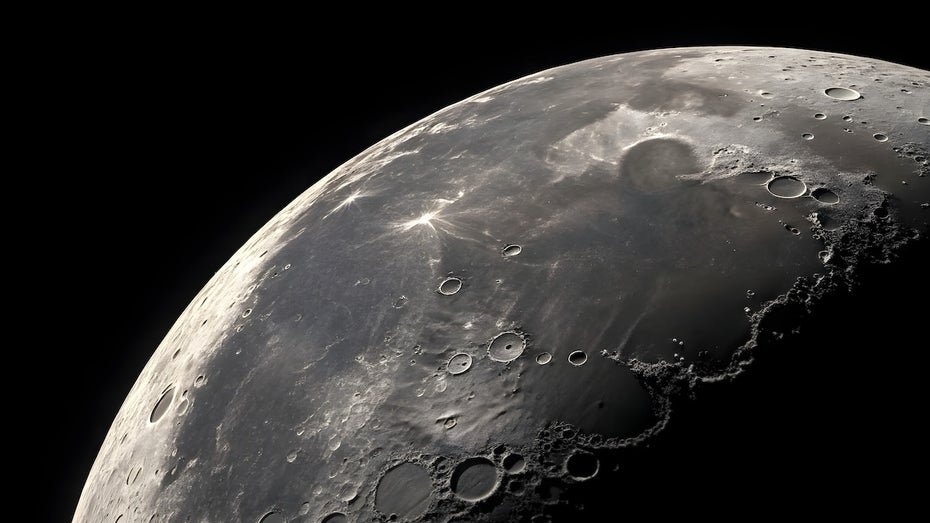
A Falcon 9 upper stage from SpaceX impacted the lunar surface on August 5, 2026, at 06:34 UTC. The impact occurred at a speed of 2.43 km/s and is expected to have left a crater approximately 30 meters in diameter. The rocket weighed about 3,900 kg and was part of an unmanned mission launched in January 2026 to transport two landers to the Moon. However, the mission was unsuccessful, as the landers did not land as planned, and the rocket stage remained in lunar orbit due to a lack of fuel.
The probability of an impact was calculated at 100 percent, prompting researchers to closely monitor the incident. The rocket's impact is compared to the force of 2.8 tons of TNT (approximately 11.7 gigajoules). Scientists hope to gain valuable insights from this event regarding the formation of lunar craters and the dynamics of ejecta clouds. The impact presents a rare opportunity, as it involves a hollow body rather than a natural asteroid. The debris cloud generated by the impact could reach heights of up to 100 km and is filled with dense lunar dust.
This cloud could even be visible from Earth, increasing interest in observing the event. However, scientists require high-resolution telescopes to observe the Moon even in daylight. A flash of light that was supposed to mark the impact has not yet been detected. The location of the impact on the Moon's day side complicates the capture of such flashes, as no natural or artificial impact flash has been documented on the illuminated part of the lunar surface to date. William Jo, one of the scientists who authored the initial report on the impact, stated that the data obtained will contribute to the calibration of models for lunar crater formation.
This information is particularly important for future projects where astronauts and equipment are expected to operate on the Moon. At no point did the impact pose a direct threat to Earth. This is similar to the anticipated impact of asteroid 2024 YR4 in 2025, which also posed no threat to Earth. Observations of the impact could also help better assess the risk from future impacts. SpaceX has previously launched several rockets into orbit, some of which have also crashed.
The analysis of the consequences of such events is significant for space research. The impact of the Falcon 9 upper stage is seen as a valuable opportunity to study the effects of artificial objects on the lunar surface. Researchers plan to analyze the impact data in the coming weeks to better understand the effects on the lunar surface. These insights could also be relevant for future lunar missions, particularly regarding the safety of astronauts and equipment. The Falcon 9 rocket was originally designed to provide cost-effective transportation solutions for satellites and other payloads.
The impact on the Moon is further evidence of the challenges and risks associated with space travel. The exact effects of the impact on the lunar surface will be further investigated in the coming weeks. Researchers expect that the analysis of the debris and the crater will provide valuable information about the lunar surface. This data could also help better plan future missions and deepen the understanding of lunar geology.

💬 Comments (0)
No comments yet. Be the first to comment!