


Satellite Plays Doom: An ESA Experiment
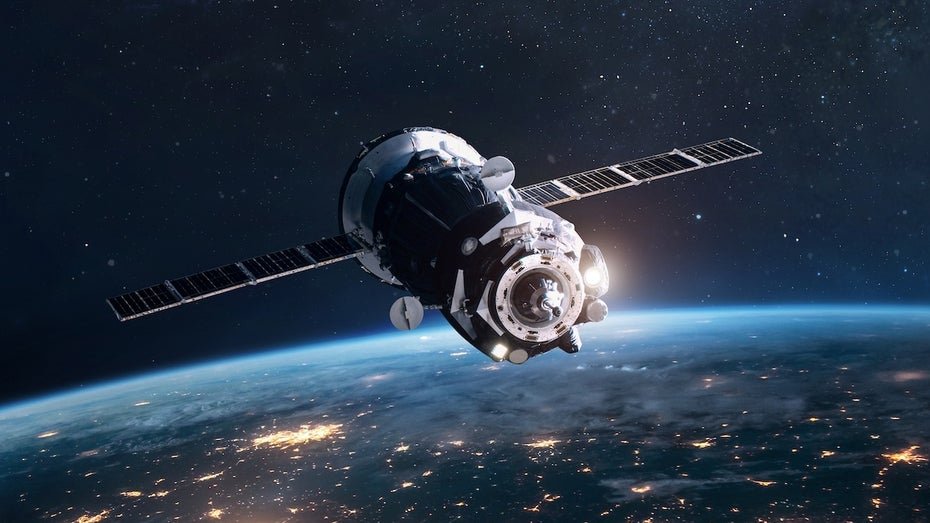
Amateur radio operators have successfully made a satellite operated by the European Space Agency (ESA) play the classic video game Doom. This experiment represents a significant advancement in the use of satellites for interactive applications. The ability to control a satellite via voice commands could have far-reaching implications for future space missions. The satellite, which is part of a larger ESA program, was equipped with special software that allowed the amateur radio operators to issue commands in natural language. This technology could not only improve the usability of satellite controls but also revolutionize the interaction between humans and machines.
The amateur radio operators used a combination of voice control and programming to activate the game. The experiment demonstrates that satellites can be used not only for scientific data transmission or Earth observation but also for entertaining and interactive applications. The ESA sees potential in this development for future missions that require improved communication between Earth and spacecraft. The ability to control complex tasks through simple voice commands could significantly enhance mission efficiency. Another aspect of the experiment is the demonstration of the robustness of satellite technology.
Despite the challenges associated with running a game in space, the satellite was able to operate stably. This could indicate that future satellites will be capable of executing more complex programs that go beyond current functionalities. The amateur radio operators involved in this project emphasized the importance of collaboration across various disciplines. Engineers, programmers, and space enthusiasts worked together to overcome the technical challenges. This type of interdisciplinary collaboration could also be significant in other areas of space exploration, particularly in the development of new technologies.
The ESA plans to integrate the results of this experiment into future projects. The insights gained could help increase the interactivity of satellites and develop new applications that extend beyond traditional functions. This could also change the way scientists and engineers interact with satellites. A specific goal of the ESA is to incorporate voice control into future satellite missions. This could greatly simplify satellite operation and increase accessibility for a broader user base.
The ESA has already taken initial steps to further develop this technology and implement it in its future projects. The experiment has also sparked interest in the use of games and interactive applications in space exploration. The idea of using games like Doom as a testing environment for new technologies could prove useful in assessing satellite performance under various conditions. This could also help boost public interest in space projects. The ESA has announced that it will conduct a detailed analysis of the experiment's results in the coming months.
The findings could be significant not only for space exploration but also for other areas of technology. The ability to control complex systems through simple voice commands could have widespread applications across various industries. The experiment was successfully completed on November 10, 2026, marking an important step in the development of interactive satellite technologies.






💬 Comments (0)
No comments yet. Be the first to comment!