


RAM Prices Continue to Rise: Shortage Expected
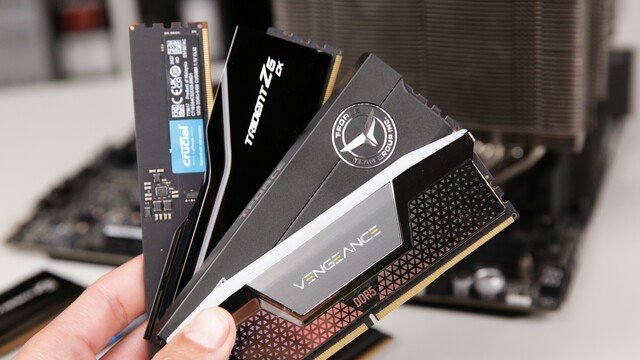
The prices for DRAM memory chips have seen a continuous increase over the past 12 months. Manufacturers are warning of an impending shortage that could last for several years. This development impacts the entire technology sector, particularly the gaming industry, where RAM plays a crucial role. Demand for memory has risen in recent months as more consumers and businesses upgrade to more powerful systems. This has led to an increase in sales, while manufacturers' production capacities are unable to keep pace.
According to industry analyses, the shortage could further drive up prices. Some manufacturers have already announced plans to increase their production capacities to meet the rising demand. Nevertheless, price increases are expected to persist at least until the end of 2026. Analysts estimate that prices for DRAM memory chips could rise by up to 30% if the shortage continues. The situation is exacerbated by geopolitical tensions and supply chain issues.
In particular, dependence on certain regions for raw material supply has put manufacturers in a difficult position. These factors could further increase production costs and limit the availability of RAM. To mitigate the effects of the shortage, some companies are turning to alternative technologies and materials. Research and development in this area could lead to new solutions in the long term that are less susceptible to price fluctuations. However, it is expected to take some time before these innovations reach the market.
The gaming community has already reacted to the rising prices. Many users report difficulties in finding the required RAM, and some have postponed their purchasing decisions. To analyze the situation, various platforms have conducted surveys to determine how much RAM gamers currently have in their systems. The results of these surveys show that a significant portion of gamers rely on 16 GB of RAM, while 32 GB is increasingly becoming the norm. The survey results suggest that gamers are willing to spend more on RAM to enhance their systems' performance.
This could further fuel price increases. The industry is closely monitoring developments, as the pricing of DRAM memory chips also affects other products. Smartphones, tablets, and PCs are also impacted, as they all rely on similar technologies. An increase in RAM prices could raise production costs for these devices and ultimately affect consumer prices. Forecasts for the coming months are mixed.
While some experts are optimistic that the situation could stabilize, others warn of ongoing uncertainty. Market research indicates that prices could remain volatile until the end of 2026, depending on global demand and production capacities. Market research will continue to monitor developments in the DRAM memory chip sector. The next major analysis will be published in January 2027 to assess the impact of current trends on the industry.







💬 Comments (0)
No comments yet. Be the first to comment!