


New Technology for Inland Vessels in Low Water Levels
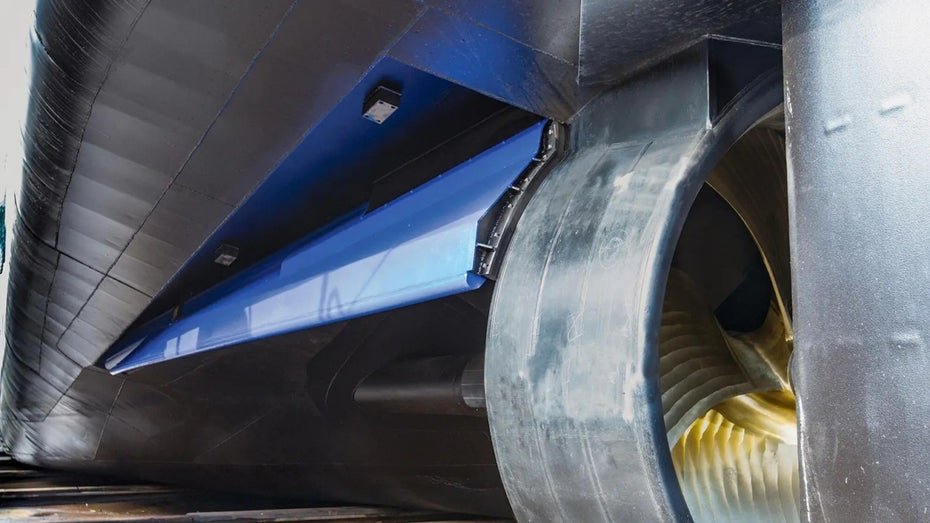
Shipping on the Rhine often faces significant challenges during the summer months, particularly in times of drought. Low water levels result in cargo ships frequently being unable to operate, which has substantial economic repercussions. To counter this issue, new technical concepts have been developed that allow navigation even under unfavorable conditions. A central element of these new approaches is the adaptation of ships to the altered water conditions. Engineers are working on special hull designs that provide better hydrodynamics, thereby increasing the efficiency of the vessels.
These designs aim to ensure that cargo ships can continue to operate safely even when water levels drop below 1.20 meters. Additionally, the implementation of buoyancy devices that can be attached to the ships is being explored. These devices are intended to reduce the draft of the vessels, thereby minimizing the risk of grounding on the riverbed. Initial tests with prototypes have shown that this technology delivers promising results. Another innovative approach is the use of electric propulsion systems, which allow for more precise control of the vessels.
These systems are not only more environmentally friendly but also offer advantages in maneuverability during low water levels. The combination of electric drives and optimized hull designs could revolutionize shipping on the Rhine. The relevance of these developments is underscored by the increasing demands on inland shipping. According to the Federal Association of German Inland Navigation, around 30% of cargo shipping on the Rhine was disrupted due to low water levels in 2025. These figures highlight the urgency of finding solutions that ensure continuous navigation.
The new technologies are supported not only by engineers but also by the industry and operators of shipping lines. Companies are investing in the development and testing of these concepts to secure their competitiveness. The first ships equipped with these new technologies are expected to be put into operation as early as next year. The challenges posed by climate change and associated weather extremes require innovative solutions. Experts emphasize that adapting shipping to changing environmental conditions is crucial for the future of the industry.
The new technologies could influence not only shipping on the Rhine but also on other European waterways. The development of these technologies is being accompanied by various research institutes and universities. Collaborations between science and industry are essential to ensure the practicality of the new concepts. The first results from ongoing research projects are expected throughout 2026. Shipping on the Rhine could benefit economically from these developments while also becoming more environmentally friendly.
The combination of new propulsion technologies and optimized ship designs could significantly reduce emissions in inland shipping. According to estimates, emissions could be lowered by up to 20%. The first test voyages with the new technologies are planned for the third quarter of 2026. These tests aim to verify the performance of the vessels under real conditions and ensure the safety of the new systems.






💬 Comentarii (0)
Inca nu exista comentarii. Fii primul!