


New Image-to-Video Workflow for AI Videos
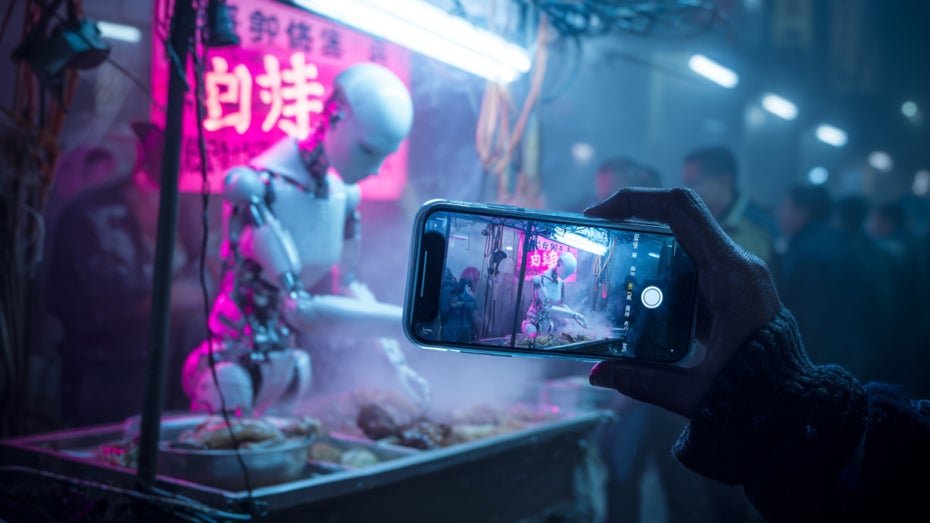
A new six-step workflow for creating AI videos has been introduced, addressing the challenges of current text-to-video technology. The hype surrounding this technology has increased in recent years; however, the results are often unpredictable and difficult to control. The new approach aims to enhance control over the creative process and improve the quality of the produced videos. The workflow begins with selecting suitable image material. Users are encouraged to choose images that reflect the desired mood and theme of the video.
These images serve as the foundation for the AI to generate video content based on them. The selection of images is crucial, as it significantly influences the visual narrative of the video. In the second step, the selected images are analyzed by the AI. Various aspects such as colors, shapes, and compositions are taken into account during this analysis. This allows the AI to develop a better understanding of the visual language of the image material.
The results of this analysis feed into the subsequent steps and help optimize the video creation process. The third step involves defining the desired video format. Users can choose from various formats, including short clips for social media or longer formats for presentations. This flexibility allows the videos to be tailored to the specific needs of the target audience. The choice of format directly impacts how the AI creates the video.
In the fourth step, a script is created that outlines the storyline of the video. Users can either use a pre-made script or input their own text. The AI utilizes this script to guide the visual narrative and ensure that the images and storyline harmoniously align. This significantly increases the coherence of the final product. The fifth step involves the generation of the video by the AI.
Based on the previous steps, the AI creates a first draft of the video, which can then be reviewed by the users. Users have the opportunity to make adjustments to further refine the video. This iterative approach allows for the final product to be tailored to individual needs. The last step of the workflow is the publication of the video. Users can share the finished video directly on various platforms or save it for other purposes.
This seamless integration into existing workflows facilitates the use of the technology and promotes the dissemination of AI-generated content. The ability to create videos quickly and efficiently could revolutionize how content is produced. The introduction of this workflow could be highly beneficial for companies and creatives who regularly produce video content. Control over the creative process and the ability to produce high-quality videos could significantly enhance efficiency in content creation. Industry experts expect that this approach will further advance the acceptance of AI in video production.
Some companies have already begun to integrate this workflow into their production processes. Initial feedback indicates that users are satisfied with the results and that the quality of the videos has improved compared to traditional methods. The combination of image selection, AI analysis, and custom scripts could significantly influence the future of video production. The technology behind this workflow is based on advanced algorithms that utilize machine learning and neural networks. These technologies enable the AI to learn from large datasets and make creative decisions.
The continuous improvement of these algorithms could lead to even more impressive results in the coming years. The development of the workflow is an example of the ongoing integration of AI into creative processes. Experts emphasize that the combination of human creativity and AI-supported technology opens new possibilities for content production. The coming months could be crucial for how these technologies evolve and become established in the industry. Early users of the new workflow report time savings of up to 30% in creating video content compared to traditional methods.







💬 Comments (0)
No comments yet. Be the first to comment!