


New Study Suggests Extraterrestrial Life in Lunar Dust

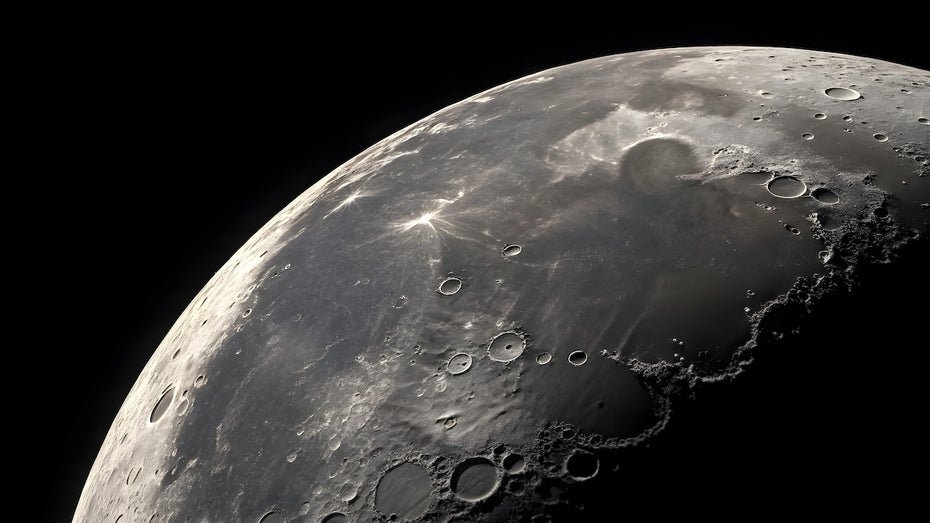
Scientists have investigated whether the Moon harbors traces of extraterrestrial civilizations in a new study. The research, published in the journal Science, analyzes lunar dust samples collected during the Apollo missions. The results could significantly impact the search for life beyond Earth. The study is based on the hypothesis that the Moon may be contaminated by meteorites and comets originating from other parts of the universe. These celestial bodies could have contained organic molecules or even microbes that survived on the Moon.
Researchers argue that these samples could provide valuable information about the possibility of life on other planets. A central argument of the study is the analysis of isotopes in the lunar dust samples. These isotopes could offer clues about the chemical composition of materials that do not originate from Earth. The researchers have already discovered initial signs of unusual isotope ratios that may indicate extraterrestrial origins. Investigating the lunar samples could also yield new insights into the formation of the solar system.
Scientists suspect that the chemical traces in lunar dust could allow conclusions about the conditions in the early phase of the solar system. These insights could expand the understanding of planet development and the emergence of life in the universe. The researchers plan to conduct further analyses to examine the identified isotopes more closely. These analyses could be supported by future lunar missions aimed at collecting new samples. NASA and other space agencies have already expressed interest in such missions.
Another aspect of the study is the possibility that the Moon serves as an archive for extraterrestrial life. The extreme conditions on the lunar surface could allow organic materials to be preserved over long periods. This could increase the chances that future missions will indeed find evidence of extraterrestrial life. The discussion about the existence of extraterrestrial life is not new; however, this study could provide new momentum. Scientists worldwide are following the developments with great interest.
The findings could influence not only astrobiology but also philosophy and the foundations of science. The study has already sparked widespread resonance in the scientific community. Experts emphasize the importance of lunar research for understanding life in the universe. The next steps in the research could be crucial in determining whether the hypotheses of the study can be confirmed. The researchers hope that their work will contribute to intensifying the debate about the possibility of life beyond Earth.
The coming years could be decisive for further analyzing the collected data and gaining new insights. The lunar missions in the upcoming years could provide critical information to answer questions about extraterrestrial life. The study was published on November 18, 2026, and has already attracted the interest of space agencies and scientists worldwide.

💬 Comments (0)
No comments yet. Be the first to comment!