


NASA Rover Curiosity Discovers Honeycomb Structures on Mars
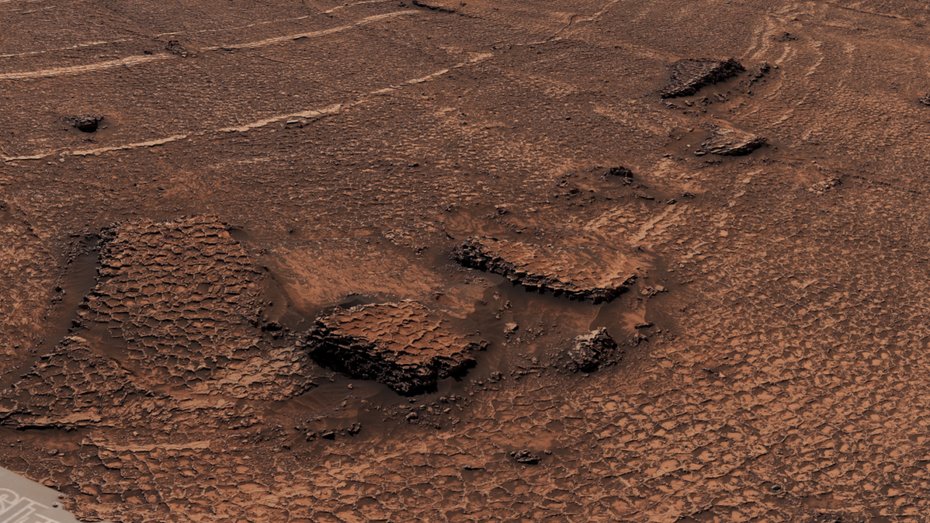
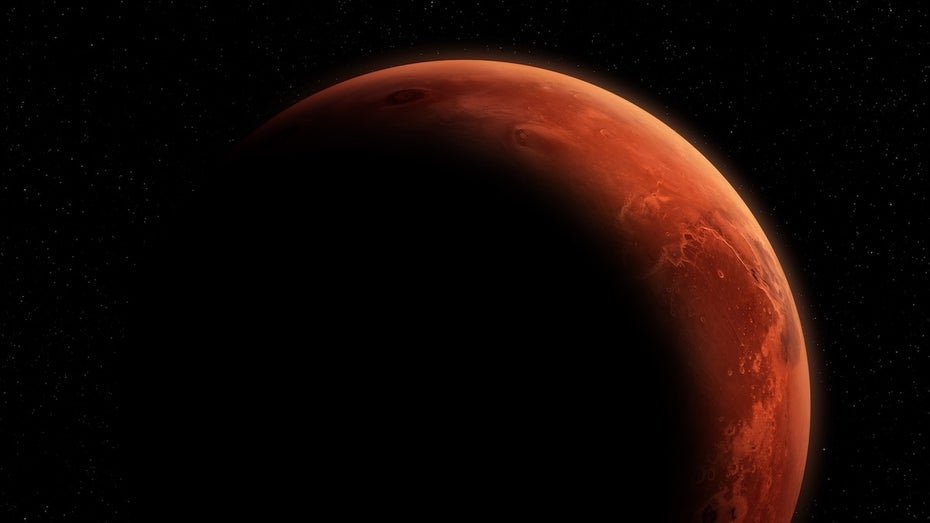
The NASA rover Curiosity has made a remarkable discovery during a recent excursion to Valle Grande on Mars, uncovering a vast field of honeycomb structures. These unusual formations raise questions about the geological history of the planet and could provide clues about past environmental conditions. The discovery was made during a routine exploration of the terrain, as Curiosity analyzed the surroundings with its advanced instruments. The honeycomb structures are unique in size and shape, significantly differing from other geological formations previously documented on Mars. NASA researchers face the challenge of determining the exact origin of these structures.
Initial hypotheses suggest that they may have formed through geological processes such as erosion or sedimentation. A detailed analysis of the chemical composition of the honeycombs could yield further insights into their formation. The honeycomb structures may also indicate past water activities that could have been crucial for the development of life on Mars. Curiosity is equipped with various scientific instruments that allow it to collect samples and examine the mineralogical composition of the structures. This discovery is part of Curiosity's ongoing mission to explore habitable conditions on Mars.
Since its landing in 2012, the rover has investigated numerous geological features and gathered important data about the Martian environment. NASA plans to analyze the data collected by Curiosity during this exploration in the coming months. The results could not only expand the understanding of Martian geology but also support the search for traces of past life on the planet. In addition to the honeycomb structures, Curiosity has documented other interesting geological formations in Valle Grande. These observations could help create a more comprehensive picture of Mars' geological development and understand the differences from geological processes on Earth.
NASA has announced that the next steps in analyzing the honeycomb structures and the surrounding geology will take place in upcoming missions of Curiosity. Scientists are optimistic that this discovery will provide new insights into the Martian surface and its history. The honeycomb structures were first documented on August 5, 2026, and NASA plans to present the results of the analysis during a press conference in September 2026.

💬 Comments (0)
No comments yet. Be the first to comment!