


NASA Launches New Infrared Telescope
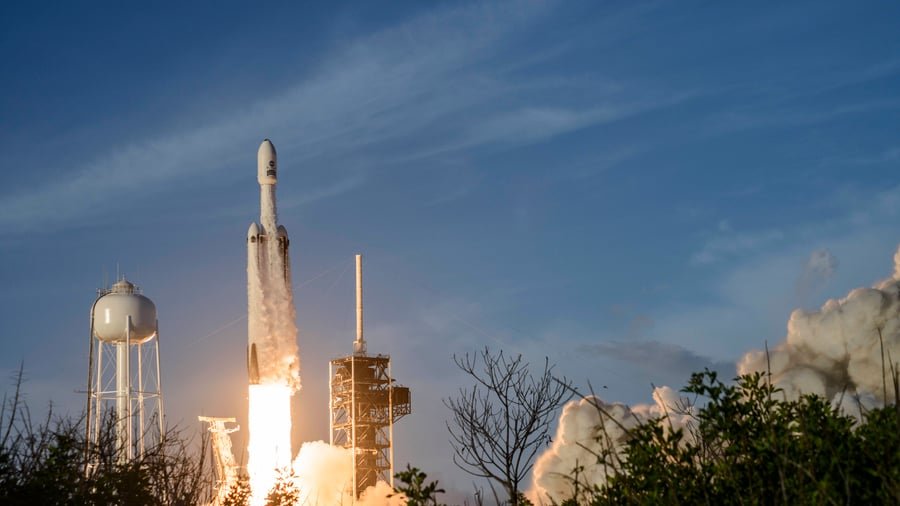
On September 2, 2026, NASA launched a new infrared telescope into space, designed to achieve a revolutionary speed of 1,000 times faster than the Hubble Space Telescope. This innovative device will assist scientists in observing previously unexplored areas of the universe and gaining new insights into the formation of stars and galaxies. The telescope, named James Webb II, is equipped with cutting-edge technology that allows it to capture infrared radiation in high resolution. This capability is crucial for peering through dust clouds that often obstruct the view of young stars and planets.
Scientists hope that utilizing this technology will provide deeper insights into the early history of the universe. The mission of James Webb II includes several objectives, such as the investigation of exoplanets and the analysis of their atmospheres. This information could be vital for understanding the conditions for life beyond Earth. The telescope will also contribute to exploring the chemical composition of galaxies at various stages of development. Another important aspect of the mission is the potential to study dark matter and dark energy, which together make up about 95% of the universe.
These mysterious components are responsible for most astrophysical phenomena, and the new telescope could provide crucial clues about their nature. NASA has already released initial test images from the telescope, demonstrating impressive image quality and detail-capturing capabilities. These images show that the telescope can detect objects more than 13 billion light-years away, setting a new record for observing distant galaxies. The mission of James Webb II is planned to last at least 10 years, with the first scientific results expected in the coming months.
Scientists worldwide have already submitted projects to utilize the telescope for their research, further promoting international collaboration in astronomy. The development of the telescope was a joint project involving several space agencies and institutions, including ESA (European Space Agency) and CSA (Canadian Space Agency). This collaboration has enabled the pooling of resources and expertise to create a powerful instrument for astronomy. NASA plans to release the first scientific data in spring 2027, heightening anticipation for the results. The mission is regarded as a crucial step in exploring the universe and could fundamentally change our understanding of space and time. "We are on the brink of a new era in astronomy," said a senior NASA scientist. "James Webb II will help us unlock the secrets of the universe and raise new questions."







💬 Comments (0)
No comments yet. Be the first to comment!