


Mercedes and BMW Enhance Electric Vehicle Technology
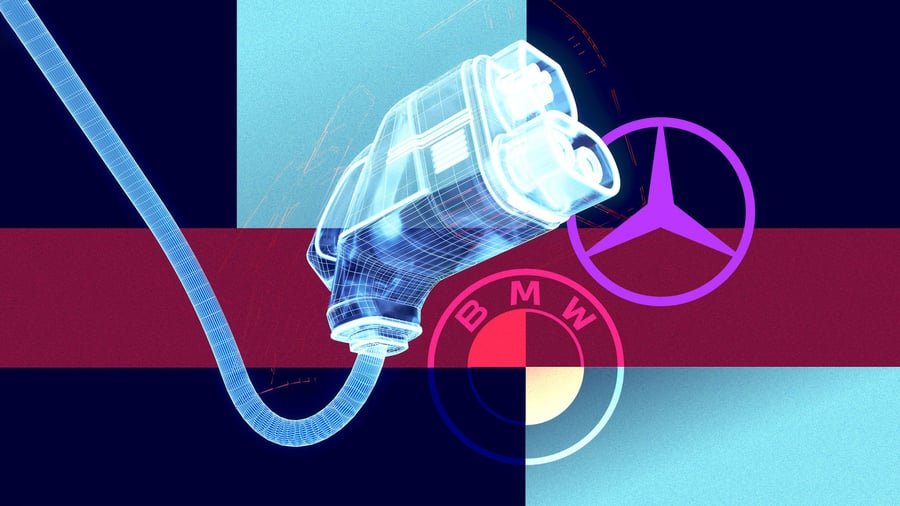
Mercedes and BMW have announced plans to close the gap with competitors with the new generation of their electric vehicles. The two German automakers are relying on innovative technologies that go beyond more powerful batteries. The goal is to increase the range of the vehicles and significantly reduce charging times. A central aspect of the new electric cars is the use of solid-state batteries. This technology promises not only a higher energy density but also improved safety compared to conventional lithium-ion batteries.
Mercedes plans to introduce these batteries in its upcoming models starting in 2027, while BMW is already testing initial prototypes. In addition to the batteries, both manufacturers are working on optimizing the software that manages the energy of the vehicles. Intelligent algorithms are expected to maximize energy efficiency. This could lead to vehicles not only driving longer distances but also charging faster. Another advancement is the integration of ultra-fast charging technologies.
Mercedes and BMW have announced that their new models will be able to charge up to 80% of their battery capacity at special charging stations within 20 minutes. This could significantly ease the use of electric vehicles in everyday life. The two companies have also formed partnerships with various energy providers to establish a comprehensive network of fast charging stations. These collaborations aim to ensure that the infrastructure for electric vehicles keeps pace with rising demand. By the end of 2026, over 1,000 new fast charging stations are to be installed in Germany.
Another focus is on optimizing range through aerodynamic improvements and lighter materials. BMW has announced that the new models are expected to offer a range of up to 700 kilometers, while Mercedes anticipates similar figures. These developments could help increase consumer acceptance of electric vehicles. The new electric cars from Mercedes and BMW will also be equipped with advanced assistance systems to help drivers maximize range. Features such as adaptive recuperation and intelligent route planning that considers the availability of charging stations will be included.
These systems are designed to help drivers drive more efficiently and make optimal use of battery capacity. The automotive industry faces the challenge of accelerating the transition to electric vehicles. Mercedes and BMW are aware that they must compete in an increasingly competitive market. The new technologies aim not only to improve vehicle performance but also to strengthen the companies' environmental credentials. The first models featuring the new technologies are expected to be unveiled at the IAA 2027. Both manufacturers have already announced that they will regularly communicate their progress in the coming months. Developments in e-mobility are crucial for the future of the automotive industry.




💬 Comentarii (0)
Inca nu exista comentarii. Fii primul!