


Max Planck Researchers Reveal Rain Damage to Cars
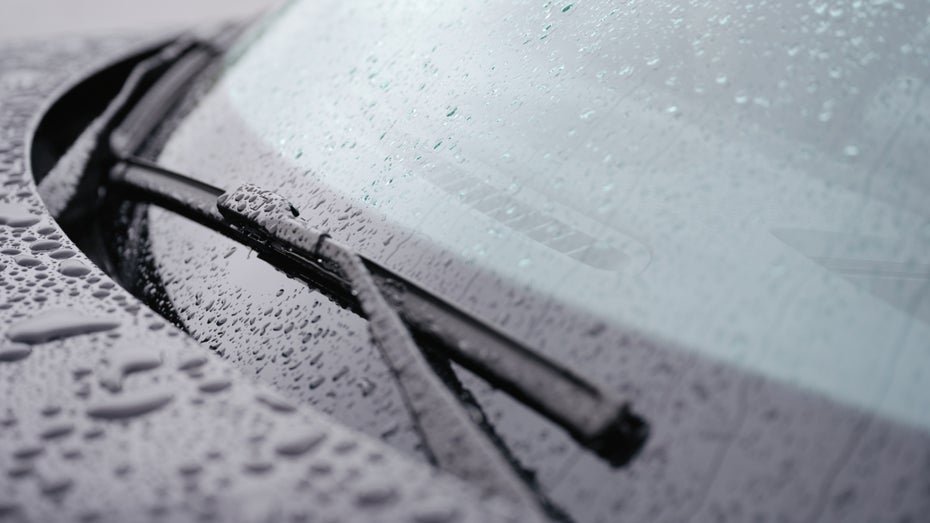
Scientists from the Max Planck Institute for Polymer Research have discovered a previously overlooked mechanism by which rain can damage coated metals. These findings could have far-reaching implications for the automotive industry and the development of durable surface coatings. In their experiments, the researchers allowed thousands of raindrops to fall on various metallic surfaces. They observed that the droplets not only wet the surface but also trigger chemical reactions that can lead to the degradation of the coatings. These reactions are particularly problematic for vehicles that are frequently exposed to rain.
The researchers identified specific chemical compounds that form during the contact process between water and metal. These compounds can compromise the integrity of the protective layers, thereby shortening the lifespan of the coatings. The results of the study were published in the journal Nature Materials. A key finding of the investigation is that the size and shape of the raindrops have a decisive influence on the damage process. Larger droplets cause greater mechanical stress upon impact, while smaller droplets can have a cumulative effect due to their higher numbers.
These insights could lead manufacturers to adjust their coatings to better meet the new challenges. The researchers also pointed out that the chemical reactions triggered by contact with water are not limited to rain. Other environmental factors, such as humidity and temperature fluctuations, could also induce similar effects. This opens new perspectives for the development of more resilient materials. The study could also impact research in the field of nanotechnology.
The findings regarding the interactions between water and metal could help develop new nanomaterials with improved corrosion resistance. Such materials would be particularly valuable for the automotive industry, where longevity and durability are crucial. Another aspect of the research concerns the ecological implications. The use of more environmentally friendly coatings could not only extend the lifespan of vehicles but also reduce the ecological footprint of automobile production. The researchers emphasize that sustainable materials should play an important role in the future development of vehicles.
The results of the study could also be significant for other industries where metallic surfaces play a role, such as construction or aviation. The insights into the chemical reactions could help improve the durability of materials in various environments. The researchers plan to continue their investigations to better understand the exact mechanisms behind the observed phenomena. This could lead to new approaches in materials science that extend beyond the automotive industry.
The next phase of the research will focus on developing prototypes that implement the new findings in practice. The study was published on September 12, 2026, and has already generated considerable interest in academic circles. The researchers hope that their work will lead to a rethinking in material development.



💬 Comments (0)
No comments yet. Be the first to comment!