


AI Revolutionizes Diagnoses in Medicine
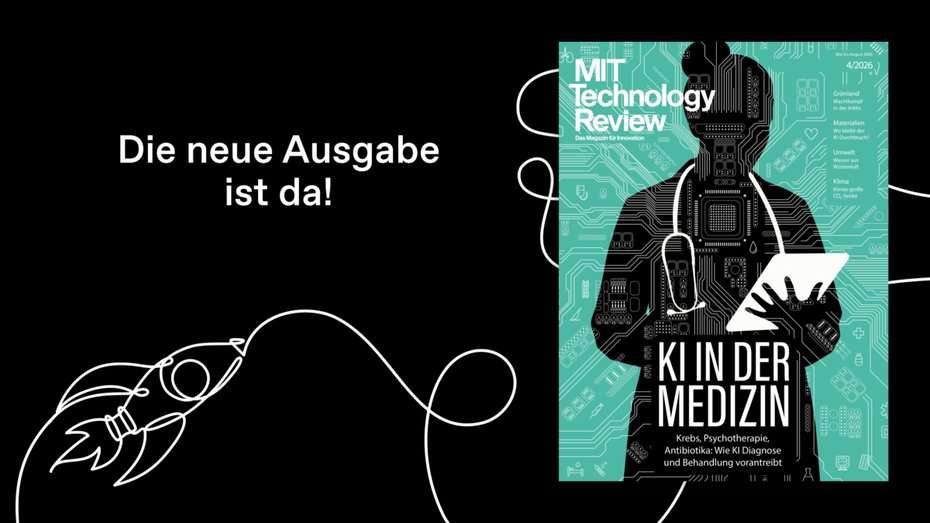
The integration of artificial intelligence (AI) into medical diagnostics and therapy is becoming increasingly significant. Algorithms assist doctors in making more precise diagnoses and developing personalized treatment plans. According to the latest issue of MIT Technology Review, AI not only enhances efficiency but also increases patient safety. A central application area is cancer diagnosis. AI systems analyze imaging techniques such as CT and MRI scans, often detecting tumors faster and more accurately than human radiologists.
Studies show that AI-supported systems can increase the detection rate of breast cancer by up to 20%. In the field of psychotherapy, AI is also being increasingly utilized. Chatbots and digital therapy platforms provide patients with support and can assist in diagnosing mental health disorders. These systems use natural language processing to recognize emotional states and suggest appropriate interventions.
A survey revealed that 65% of respondents would be willing to use AI-supported therapies. Antibiotic resistance poses a growing threat to public health. AI models analyze large datasets to identify patterns in antibiotic resistance and develop new treatment options. Researchers have found that AI-supported approaches can accelerate the discovery of new antibiotics by up to 30%.
The development of predictive models to forecast disease progression is another advancement. AI algorithms utilize genetic, clinical, and lifestyle-related data to create individual risk profiles. This personalized approach enables doctors to develop targeted prevention strategies and adjust treatments. An example of AI use in precision medicine is the analysis of genomic data. AI systems can identify genetic mutations associated with specific diseases.
This leads to faster and more accurate diagnoses, which is particularly important for rare diseases. However, the implementation of AI in medical practice also presents challenges. Data protection and ethical issues are at the forefront, as sensitive patient data is processed. Experts are calling for clear guidelines and standards to ensure the safety and privacy of patients. The future of AI in medicine looks promising.
According to a forecast, the market for AI-supported health solutions is expected to grow to over $45 billion by 2028. This development could fundamentally change the way medical services are delivered. Advances in AI technology will continue to shape the medical landscape. An example is the development of AI-assisted systems that provide real-time information to doctors. These systems could be implemented in clinics in the coming years to support decision-making.
Research in the field of AI and medicine is dynamic and rapidly evolving. Current studies show that AI-supported diagnostic tools can significantly increase the accuracy of diagnoses. A report from the World Health Organization (WHO) in 2025 highlights that AI can reduce diagnosis times by up to 50%. The implementation of AI in medical practice is being promoted by numerous initiatives. Governments and private companies are investing in the development of AI technologies to improve healthcare.
An example is the AI for Health Initiative, which aims to develop innovative solutions to combat diseases. Advances in AI technology could also influence the training of medical personnel. Future doctors are expected to effectively utilize AI-supported systems to make diagnoses and plan treatments. This could revolutionize medical education and set new standards. The integration of AI into medical practice is an ongoing process that brings both opportunities and challenges.
The coming years will be crucial to fully harness the potential of these technologies. According to a recent survey among health experts, 78% believe that AI will significantly influence the future of medicine. Developments in AI technology will continue to shape the medical landscape. An example is the introduction of AI-assisted systems that provide real-time information to doctors.









💬 Comments (0)
No comments yet. Be the first to comment!