


James Webb Telescope Discovers New Explanations for Red Dots

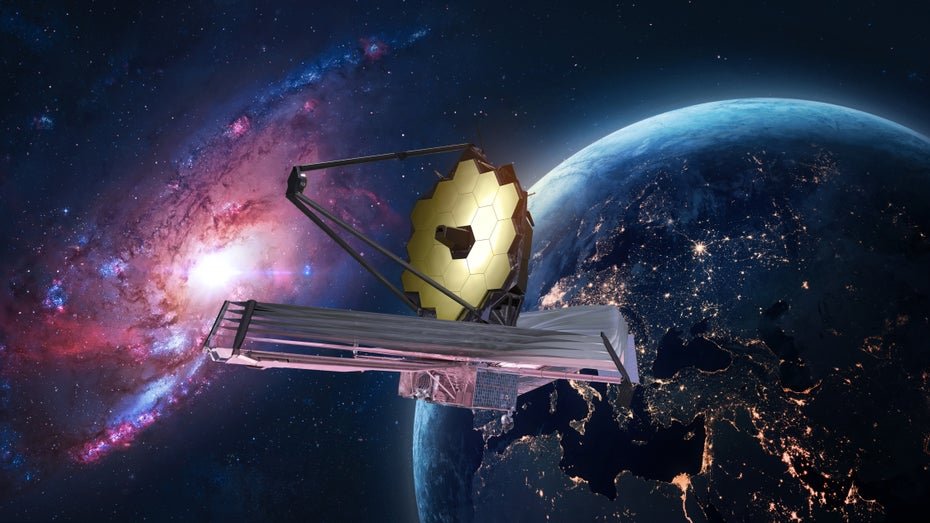
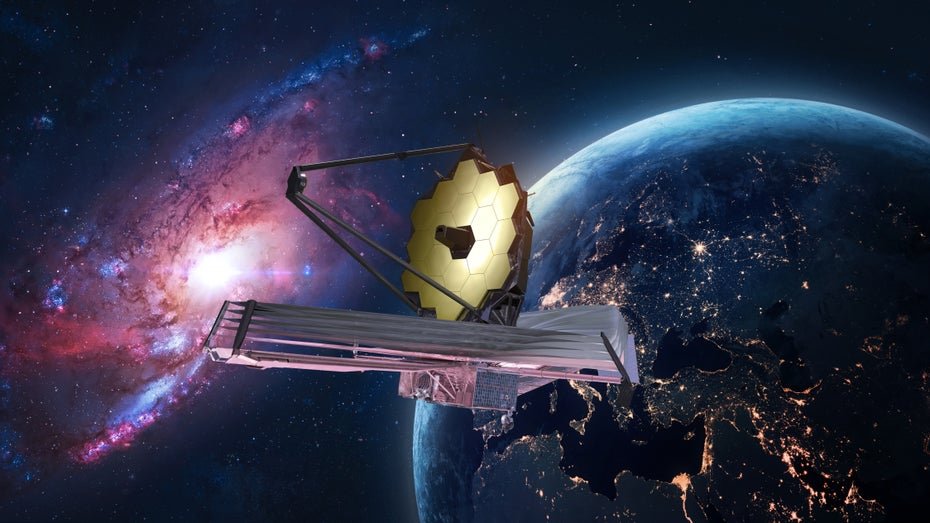
Astronomers may have found an explanation for the small red dots in space that have puzzled scientists for years. These dots were first captured by the James Webb Space Telescope (JWST) and have piqued the interest of researchers. The discovery could have far-reaching implications for our understanding of the universe. The small red dots visible in the JWST data have been identified as potential galaxies that are in an early stage of their development. These galaxies may be in a state where they are still accumulating matter and developing into larger structures.
Astronomers suspect that these dots provide clues about galaxy formation in the early universe. A team of astronomers analyzed the JWST data and found that the red dots exhibit a specific spectral analysis indicating a high redshift. This redshift is an indicator that the galaxies are moving away from us, suggesting their great distance and thus their early formation. The analysis shows that some of these dots may be over 13 billion years old. Researchers have also noted that the small red dots are concentrated in certain regions of the universe, which could indicate the existence of galaxy clusters.
These clusters are large collections of galaxies held together by gravity. The discovery of these structures could help improve our understanding of the distribution of matter in the early universe. Another aspect of the research concerns the chemical composition of the red dots. Preliminary analyses suggest that some of these galaxies have already produced heavy elements, indicating that they are capable of forming stars. This finding could challenge theories about galaxy development and star formation in the first billion years of the universe.
The results of this study were published in the journal Astronomy & Astrophysics and could lay the groundwork for future research. Scientists plan to conduct further observations with the JWST to learn more about the properties of these red dots. The next observations are scheduled for the third quarter of 2026. In addition to the red dots, researchers have also discovered other interesting phenomena in the JWST data, including quasars and active galactic nuclei, which can also provide important information about the evolution of the universe.
These discoveries expand our knowledge of the diversity of astronomical objects in the early universe. The analysis of the JWST data is an ongoing process, and scientists expect that more surprises await them. The technology of the JWST allows for deeper and clearer insights into the universe than ever before. Astronomers are optimistic that future discoveries will further deepen our understanding of cosmic evolution. The discovery of the small red dots and their potential significance for galaxy formation is a significant step in astronomy.
Researchers agree that these findings are not only important for fundamental research but also for the development of new theories about the structure of the universe. The next steps in this research will be crucial in addressing the open questions. Scientists hope that the upcoming observations with the JWST will help unravel the mysteries of the early universe further. The telescope's data offers a wealth of information waiting to be analyzed. Astronomers are ready to take on the challenges of data analysis and gain new insights. The next major publication regarding the red dots is expected in July 2026, when researchers will present their latest findings. This publication could provide new insights into galaxy development and the structure of the universe.

💬 Comments (0)
No comments yet. Be the first to comment!