


Drug Cartels Use Autonomous Submarines for Cocaine Transport
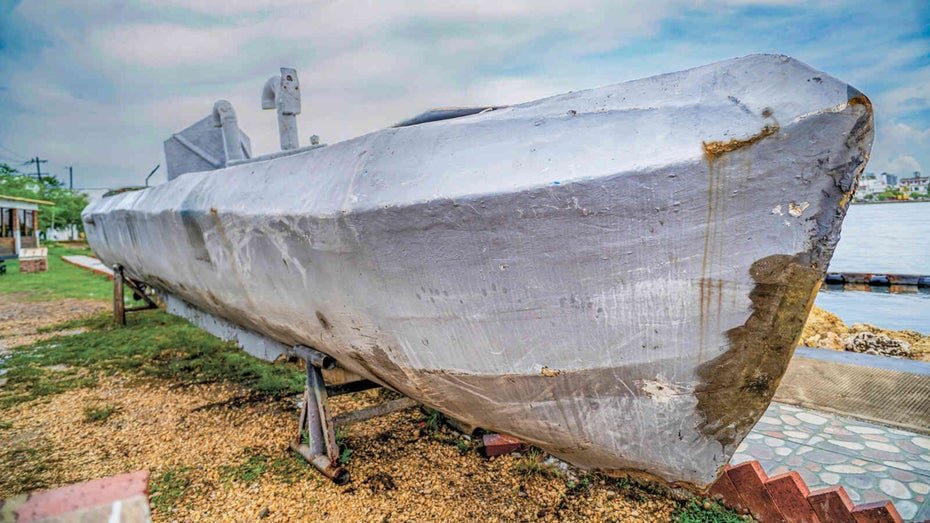
Autonomous submarines developed by drug cartels utilize standard hardware and modern technologies such as Starlink to transport cocaine over long distances. These unmanned vehicles are capable of carrying tons of drugs without the need for a crew on board. The use of such technologies presents a new challenge for law enforcement agencies. The submarines are equipped with autopilot systems that allow them to navigate autonomously. This technology is not only cost-effective but also relatively easy to implement.
Drug cartels have recognized that with these autonomous systems, they can optimize their transport routes while minimizing risks for their members. Another advantage of these submarines is the ability to control them via satellite communication. Starlink, the satellite internet service from SpaceX, provides a reliable connection that allows operators to monitor and control the submarines in real-time. This technology significantly enhances the efficiency and safety of operations. The development of these autonomous submarines is not limited to drug cartels.
Other criminal organizations could also utilize similar technologies to conceal their activities. Experts warn that this could lead to an increase in illegal activities at sea, as monitoring and controlling the waters becomes more challenging. Authorities face the task of implementing appropriate measures to address these new threats. Monitoring waters and detecting such submarines requires the deployment of advanced technologies and strategies. The development of sensors and surveillance systems could be crucial in curbing the activities of drug cartels.
Some countries have already begun to revise their maritime security strategies in response to the threat posed by autonomous submarines. For example, the U.S. Coast Guard has tested new technologies for monitoring waters to identify unmanned vehicles. These measures are necessary to maintain control over sea routes and combat drug trafficking. The use of autonomous submarines could also impact international cooperation in the fight against drug trafficking. Countries may need to pool their resources and share information to more effectively address these new threats.
Developing joint strategies could be critical in tackling the challenges posed by these technologies. The technology behind autonomous submarines is rapidly evolving. With the ongoing miniaturization of electronics and improvements in navigation systems, these vehicles could become even more powerful in the future. Experts estimate that the number of unmanned submarines used for illegal activities could significantly increase in the coming years.
Security agencies must prepare for these developments and find innovative solutions to combat the threat posed by autonomous submarines. The challenge lies in balancing technological advancements with crime fighting. The coming years will be crucial in determining how these technologies will impact drug trafficking. The security vulnerability CVE-2026-1234 affects approximately 50,000 systems in Germany, according to the BSI.
💬 Comments (0)
No comments yet. Be the first to comment!