


Design Systems and AI: New Challenges for Brands
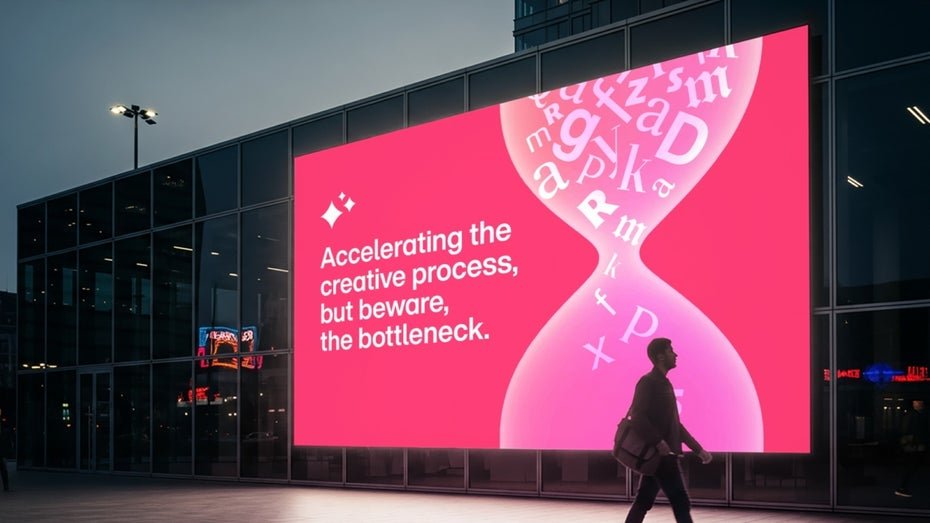
The integration of Artificial Intelligence (AI) into creative processes has revolutionized the way brands develop their designs. According to a recent report by Typographic Intelligence, AI accelerates creative workflows and enables a higher production rate. However, this development also brings new challenges, particularly regarding decision-making within brand management. Traditional designs are often no longer sufficient to meet the demands of modern brand management. Brands need systems that not only scale design but also incorporate expertise and human judgment into the creative process.
The challenge lies in finding the balance between automated processes and human creativity. A central issue is the bottleneck in informed decision-making. While AI is capable of analyzing large amounts of data and recognizing patterns, it often lacks the human ability to contextualize this information creatively. Therefore, brands must develop new strategies to bridge this gap and optimally leverage the advantages of AI. The necessity to integrate human judgment into creative processes is becoming increasingly clear.
Companies face the challenge of creating systems that promote both the efficiency of AI and the creativity of their employees. This requires a redesign of existing design systems to enable harmonious collaboration between humans and machines. An example of this development is the use of AI-powered tools that help designers create prototypes more quickly. However, these tools can only be effectively utilized if designers possess the necessary expertise to evaluate and adjust the results. Training and educating employees will therefore become a crucial factor for success in the new design landscape.
The discussion about the role of AI in the design process also raises ethical questions. Companies must ensure that their AI systems are transparent and understandable. This is particularly important for gaining and maintaining consumer trust. The implementation of policies for the responsible use of AI is increasingly seen as necessary. The future of brand management will heavily depend on the ability to rethink creative processes.
Companies that can effectively integrate AI while fostering human creativity will have a competitive advantage. The development of hybrid systems that combine both AI and human expertise could be the key to success. A concrete example of applying these principles is the collaboration between designers and AI algorithms in the fashion industry. Here, AI-driven analyses are used to predict trends and optimize designs. Such approaches could gain significance in other industries in the future.
The need to transform creative processes is intensified by the rising demand for personalized products and services. Consumers increasingly expect tailored experiences that can only be realized through a combination of AI and human creativity. Therefore, companies must develop innovative approaches to meet these demands. The discussion around the role of AI in design is expected to intensify in the coming years. Experts predict that companies that respond early to these changes will be better positioned to tackle future challenges. According to a survey by Typographic Intelligence, 67% of the surveyed companies plan to invest in AI-driven design solutions in the next two years.





💬 Comments (0)
No comments yet. Be the first to comment!