


Beta Pictoris d: Discovery After 11 Years
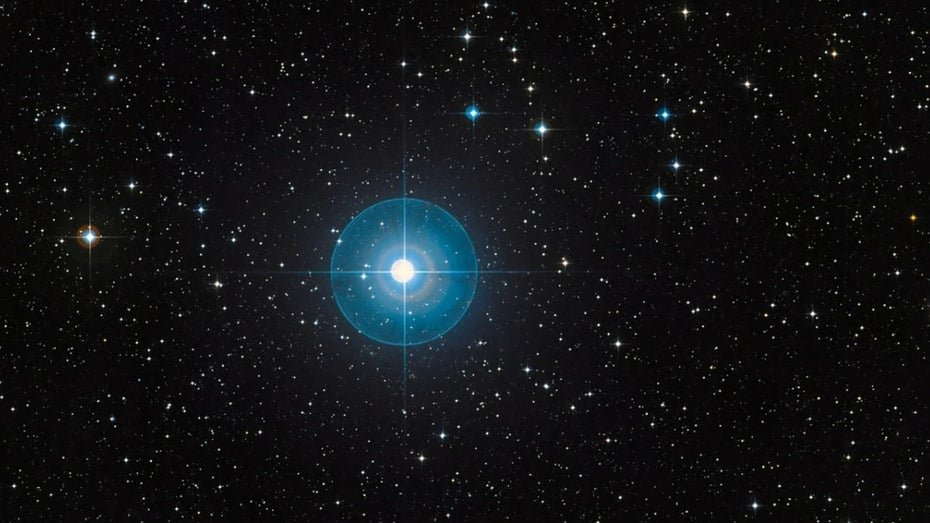
Scientists have discovered the exoplanet Beta Pictoris d, which had been overlooked in old telescope data for over a decade. The discovery was made possible through new analytical methods that allowed for the evaluation of existing data from archives. Beta Pictoris d orbits the star Beta Pictoris, located about 63 light-years away from Earth. The first images of the exoplanet date back to 2015, when the data was originally collected. Despite the early capture, the images remained undiscovered because the analytical methods at the time were insufficient to identify the planet.
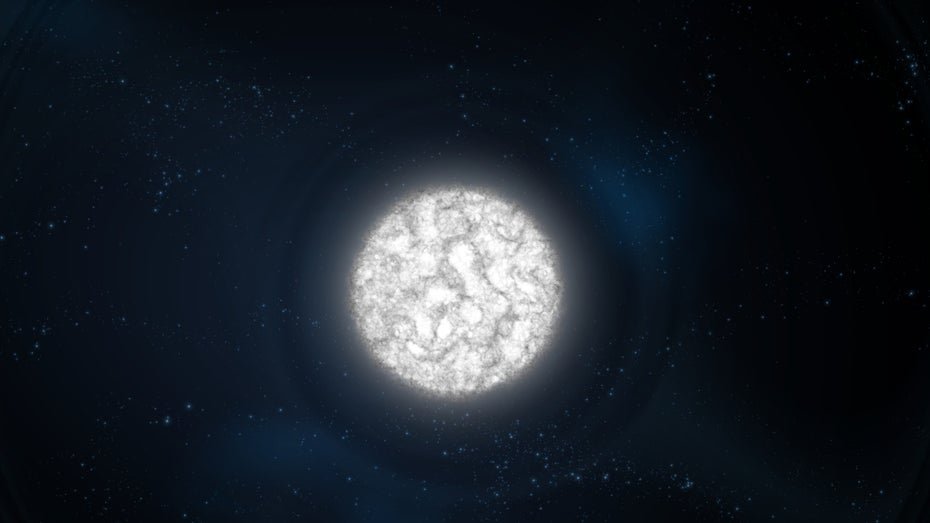
Only with the development of more advanced image processing and data analysis techniques were researchers able to confirm the existence of Beta Pictoris d. Beta Pictoris d is a gas giant with an estimated mass of 13 to 14 times that of Jupiter. The planet is in a stable orbit around its star, making it an interesting object for future studies. The discovery could also provide new insights into the formation and evolution of planetary systems. The data analysis was conducted by an international team of astronomers specializing in the evaluation of archival data.
This method has gained importance in recent years as more data from various telescopes becomes available. Researchers emphasize that the discovery of Beta Pictoris d is an example of how crucial it is to re-examine existing data with new technologies. The discovery was published in the journal Astronomy & Astrophysics. The authors of the study hope that their findings will help improve the search for additional exoplanets. In particular, the application of new analytical methods could lead to the identification of other previously undiscovered celestial bodies.
Beta Pictoris d is not the first exoplanet found in old data. In recent years, there have been several similar discoveries, demonstrating that many planets may have long been hidden in the archives of astronomy. These findings could significantly increase the number of known exoplanets and expand our understanding of the universe. Researchers plan to continue observing Beta Pictoris d in the future to learn more about its atmosphere and composition. This information could provide important clues about the conditions under which the planet formed.
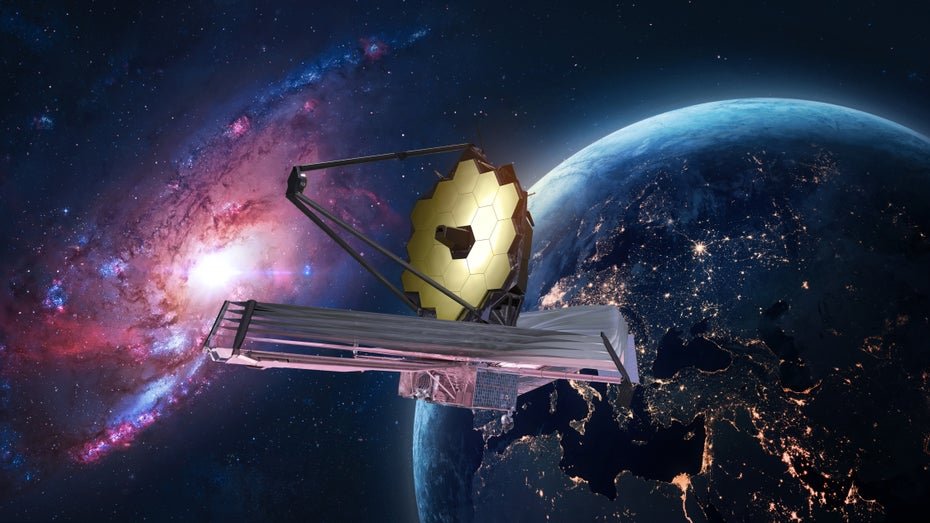
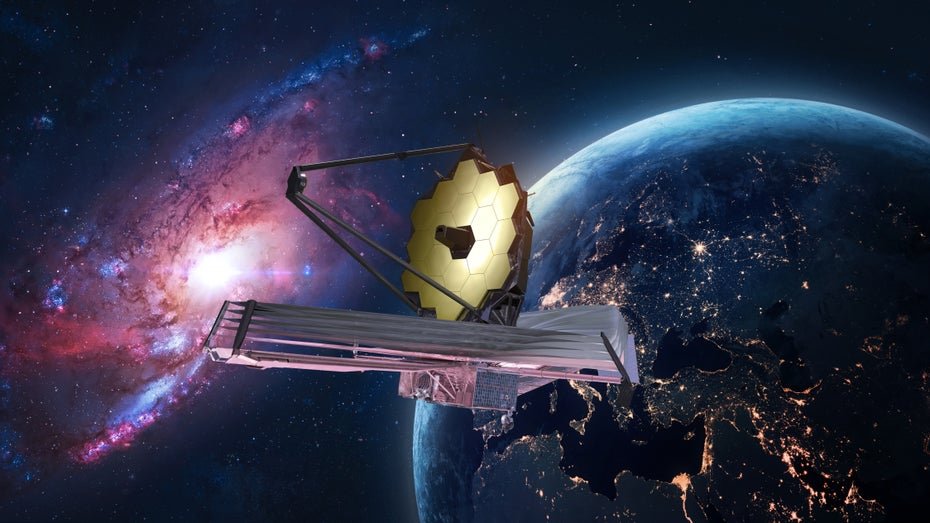
The observations are set to be conducted with the James Webb Space Telescope and other modern telescopes. The discovery of Beta Pictoris d illustrates how dynamic and constantly evolving the field of exoplanet research is. With the continuous improvement of technologies and methods, it is likely that many more celestial bodies will be discovered in the coming years. Astronomers are optimistic that the next few years will bring exciting new insights into the universe. The study was published on July 31, 2026, and researchers expect that their work will stimulate discussion about the formation of planetary systems.

💬 Comments (0)
No comments yet. Be the first to comment!