


US Bill Strengthens Buyer Rights for Digital Games
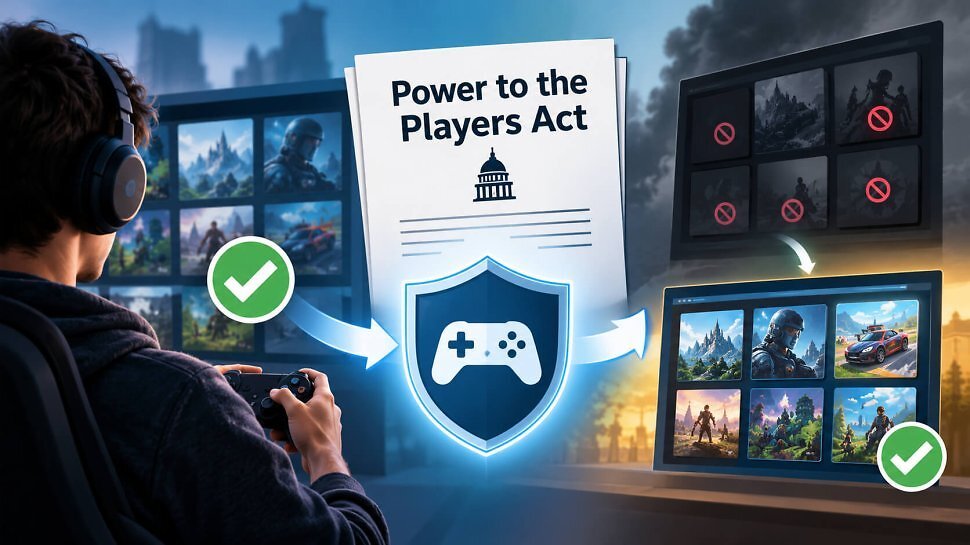
A new bill in the USA could significantly strengthen the rights of buyers of digital games. The proposal stipulates that digital games will no longer be licensed but sold, securing permanent ownership of the titles for buyers. This would allow users to own, use, and transfer games, similar to physical copies. The initiative is supported by several lawmakers who argue that the current practice of licensing digital content restricts consumer rights. Buyers often have limited access to the games they have purchased and cannot resell or gift them.
The bill could lift these restrictions and give users more control over their digital content. A central concern of supporters is the creation of a unified legal framework for digital games. The bill could lead digital game providers to rethink their business models. Many companies have relied on licensing to secure their revenues and maintain control over their products. The discussion about the rights of buyers of digital content is not new but has gained urgency in recent years.
With the rise of streaming services and digital platforms, consumers increasingly feel that their rights are being curtailed. The bill could be seen as a response to these concerns and spark a broader debate about digital ownership rights. However, some experts warn of the potential impacts of such a law on the industry. The shift from licensing to sales could affect pricing and availability of games. Developers might be forced to adjust their business models, potentially leading to higher prices or less innovation.
Reactions to the bill are mixed. While consumer advocacy groups welcome the proposal, some representatives from the gaming industry express skepticism. They fear that the new regulations could increase development costs and disadvantage smaller studios. The industry faces the challenge of balancing consumer rights with the economic realities of game development. The bill is expected to be discussed in Congress in the coming months.
A vote could have far-reaching consequences for the entire industry, particularly regarding how digital content is sold and managed in the future. Lawmakers have emphasized their intention to include the opinions of consumers and industry representatives in the decision-making process. The discussion about digital ownership rights is also influenced by the growing popularity of NFTs and blockchain technology. These technologies offer new opportunities for ownership and trading of digital content. The bill could lead to a greater focus on such technologies in the gaming industry to give buyers more control over their digital assets.
The passage of the bill could also have international implications. Countries considering similar regulations might look to developments in the USA. The discussion about digital rights is global and could lead to a more unified approach in the industry. The debate surrounding the bill is expected to be a central topic at the next major gaming fair, scheduled for spring 2027. Industry representatives and consumers will closely monitor developments to see how the legal framework for digital games will change. The bill was introduced in Congress on October 15, 2026, and could come up for a vote in the coming weeks.





💬 Comments (0)
No comments yet. Be the first to comment!