


US Court Temporarily Halts AI Nude Image Ban
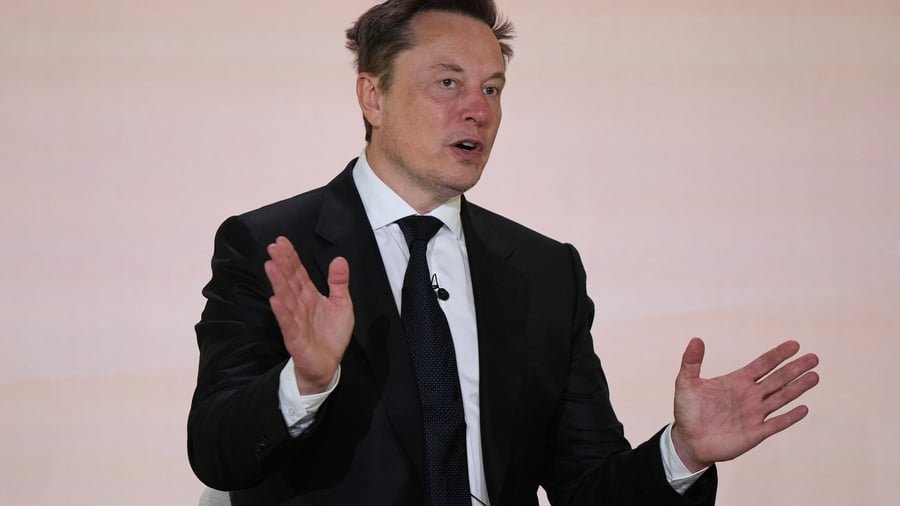
A US appeals court decided on October 3, 2026, to temporarily suspend the law in Minnesota that bans AI-generated nude images. This decision follows a lawsuit from xAI, a company founded by Elon Musk. The court found that the ban may violate freedom of speech, a central point in xAI's argument. The law, enacted in 2025, was intended to protect individuals from the unlawful use of their images by AI technologies.
However, critics of the law argue that it unnecessarily restricts the development and use of AI technologies. The temporary suspension allows xAI to continue pursuing its arguments while the court examines the legal implications of the law. The appeals court's decision could have far-reaching consequences for the regulation of AI technologies in the US. Experts warn that a strict ban on AI-generated content could hinder innovation in the field of artificial intelligence. This case reignites the debate over the balance between privacy protection and the promotion of technology.
xAI's lawsuit invokes the First Amendment, which protects freedom of speech. The argument emphasizes that AI-generated content represents a form of creative expression. The court has now allowed time until a final decision on the constitutionality of the law to assess its impact on freedom of speech. The temporary suspension of the law could also encourage other states to reconsider or revise similar laws. In recent years, several states have attempted to create regulations for AI-generated content to prevent abuse and privacy violations.
Uncertainty about the legal framework could prompt companies to rethink their strategies regarding AI technologies. The appeals court's decision is viewed differently by various stakeholders. While some see the decision as a victory for freedom of speech, others fear it could lead to an increase in abuse and unethical practices in the field of AI. The discussion about the ethical implications of AI-generated content remains relevant in light of these developments. Legal disputes over AI-generated content are not new.
There have been similar cases in the past where the boundaries between art, technology, and law were questioned. The appeals court's decision could serve as a precedent for future lawsuits in this area. The next hearing in this case is scheduled for November 15, 2026. Until then, the court will review further arguments and evidence to make an informed decision.
The implications of this decision could be extensive, not only for xAI but also for the entire artificial intelligence industry. The debate over the regulation of AI technologies is expected to continue at the political level as well. Legislators in various states are closely monitoring the case to make possible adjustments to their own laws. Thus, developments in Minnesota could serve as an indicator for future legislative actions in the US. xAI's lawsuit and the subsequent decision of the appeals court raise fundamental questions about the future of AI technology and its regulation.
The balance between innovation and privacy protection remains a central theme in the discussion about artificial intelligence. The outcome of the proceedings could be crucial for how such technologies are used and regulated in the future. The legal framework for AI-generated content remains unclear, posing challenges for companies and developers. This uncertainty could lead some companies to hesitate in investing in new technologies until clear guidelines are established. Therefore, the court's decision is being closely watched.
xAI's lawsuit is part of a larger trend where companies are trying to defend their rights and freedoms in the digital space. Developments in Minnesota could act as a catalyst for similar legal disputes in other states. The legal and ethical questions surrounding AI will continue to play a central role in the future. The temporary suspension of the law in Minnesota could also impact public perception of AI technologies. While some view the technology as a threat, others see it as an opportunity for creative expression.
The discussion about the role of AI in society is further fueled by this case. The appeals court's decision could also have international implications, as many countries are having similar discussions about AI regulation. Developments in the US are being closely observed by other nations to draw possible lessons for their own legal frameworks. The global implications of this decision are not yet fully foreseeable.
The legal disputes over AI-generated content are a sign of the growing importance of technology in society. The court's decision is expected to influence not only the legal framework in the US but also the way companies and consumers interact with AI technologies. The next hearing in the xAI case will take place on November 15, 2026, providing stakeholders and the public with the opportunity to present further arguments.






💬 Comments (0)
No comments yet. Be the first to comment!