


US Authorities Charge Google Pixel User
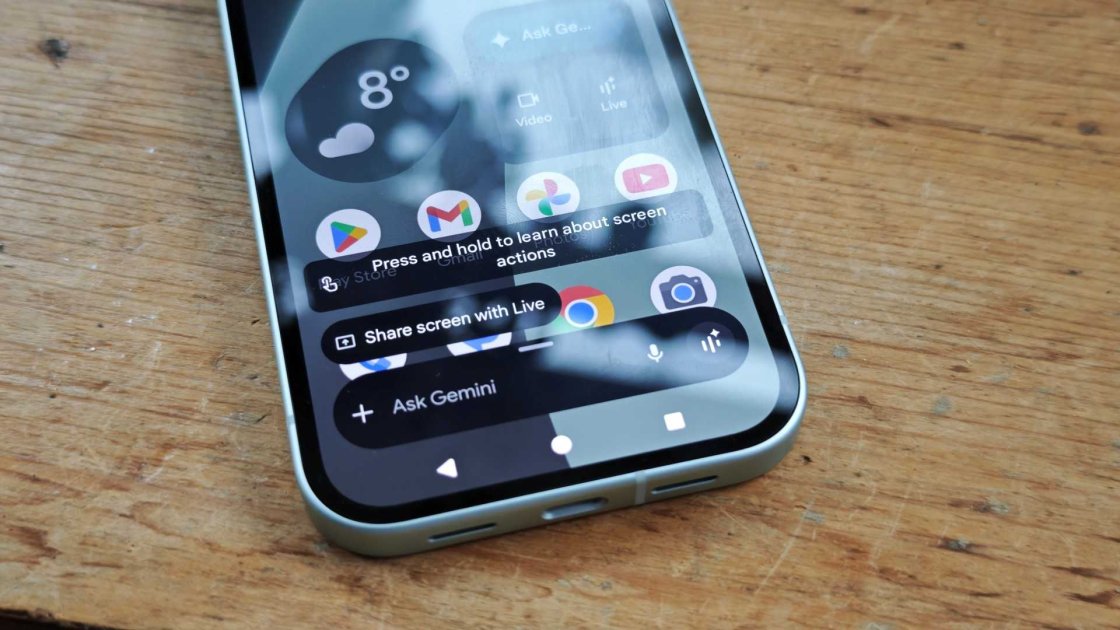
A Google Pixel user, Samuel Tunick, is facing charges in the United States for destruction of evidence. The incident occurred in January 2025 when Tunick returned from a vacation in the Dominican Republic and was detained at border control. US authorities wanted to examine his smartphone for suspicious content, which Tunick refused. Border control suspected that evidence of child pornography might be on Tunick's device. Tunick, who is on a terrorism watch list, was targeted due to his connections to a protest movement against a police training center in Atlanta.
According to his lawyers, the officials did not have a search warrant to examine his smartphone. Tunick was using the alternative operating system GrapheneOS on his Google Pixel smartphone, which features special security functions. One of these functions is the so-called "Duress PIN," which allows users to delete their data instead of unlocking the device. Tunick stated that he activated this function to prevent authorities from accessing his data. After border officials repeatedly asked for his PIN, Tunick decided to enter the "Duress PIN."
This input caused the smartphone to delete all personal data and the screen went black. The authorities were then unable to access the contents of the device. GrapheneOS is currently available exclusively for Google Pixel smartphones but is expected to be made accessible for other manufacturers in the future. The security features of the operating system have previously drawn the attention of law enforcement agencies. In Spain, for example, users of Google Pixel devices were specifically monitored as drug dealers utilized these features to evade investigations.
Experts express concerns that the use of GrapheneOS could be classified as "inherently criminal." They argue that everyone has the right to protect their private data from unlawful searches. The legal implications of the case could have far-reaching consequences for the use of security features in smartphones. Samuel Tunick's case is expected to be heard in court in October 2026. A judge will have to decide whether the authorities searched Tunick under false pretenses and whether he had the right to delete his data.
The decision could also impact the legal assessment of security features in mobile operating systems. The discussion about privacy and user rights is further fueled by this case. US authorities are under pressure to reconsider their practices regarding digital evidence. Reports indicate that authorities have increasingly attempted to access users' personal data in recent years, leading to a rise in legal disputes. The legal foundations for searching smartphones and deleting data are complex and contentious in the United States.
Tunick's case could help clarify user rights and the powers of authorities. The trial is highly anticipated as it may set precedents for future cases. US authorities have previously emphasized that they act in the interest of national security. However, the balance between security and privacy remains a contentious issue. The outcome of the proceedings could have significant consequences for the rights of smartphone users in the United States.
The charges against Tunick also raise questions about the use of alternative operating systems. GrapheneOS is considered more secure by many, but it also offers features that users can utilize to avoid investigations. The discussion about the security and legal implications of such systems will continue in the coming months. The trial dates are set for October 2026, and the legal arguments from both sides will be prepared in the upcoming months. The court's decision could have far-reaching effects on smartphone usage and privacy in the United States.







💬 Comments (0)
No comments yet. Be the first to comment!