


Trump and Xi: Common Interests in the AI Conflict
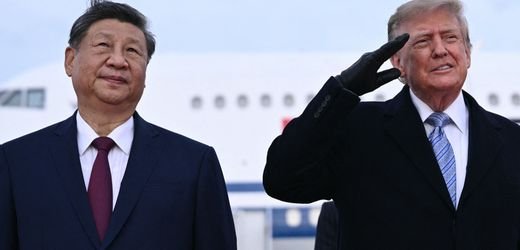
The rivalry between the USA and China in the field of Artificial Intelligence (AI) is increasingly accompanied by the necessity for global regulations. Rebecca Arcesati, an expert on China, emphasizes that despite the political tensions between Washington and Beijing, there are common interests that could promote collaboration in this area. Both countries have made significant advancements in AI technology in recent years. The USA dominates in the development of AI applications, while China leads in the implementation and utilization of these technologies. These differing strengths could serve as a foundation for a joint strategy to create international standards.
Arcesati stresses that the USA and China agree on the necessity to address the risks of AI. Issues such as data privacy, ethical use, and the avoidance of discrimination are central concerns for both nations. These shared issues could serve as a starting point for negotiations on global AI regulations. The European Union is also interested in regulating AI, pursuing a stringent approach to technology regulation to protect citizens' rights.
Arcesati suggests that Europe could take on a mediating role between the USA and China to promote a unified global regulation. Another aspect of the discussion is the military use of AI. Both the USA and China are heavily investing in AI technologies for military applications. These developments raise questions about global security and require international cooperation to prevent an arms race in AI. The challenges associated with regulating AI are complex.
Arcesati points out that it is necessary to foster dialogue between nations to develop common standards. Such dialogue could help avoid misunderstandings and strengthen trust between countries. The discussion on AI regulations is also influenced by civil society and businesses. Many companies are calling for clear guidelines to avoid hindering innovation. Arcesati highlights that a balance must be found between regulation and innovation to ensure the competitiveness of countries.
The next steps in the discussion on global AI regulations are crucial. An international forum could be established to consolidate various interests and reach a consensus. Arcesati proposes that such a forum meet regularly to monitor developments in the field of AI and make adjustments to regulations. The necessity for global AI regulations is underscored by the increasing number of AI applications in various areas of life.
According to a study by the McKinsey Global Institute, AI is expected to generate an economic value of up to $13 trillion by 2030. This figure highlights the urgency of establishing clear frameworks. The discussion on AI regulations is expected to intensify in the coming months. The UN plans to hold an international conference on this topic in 2027 to assess progress and launch new initiatives.






💬 Comments (0)
No comments yet. Be the first to comment!