


Starship Completes Successful 13th Test Flight

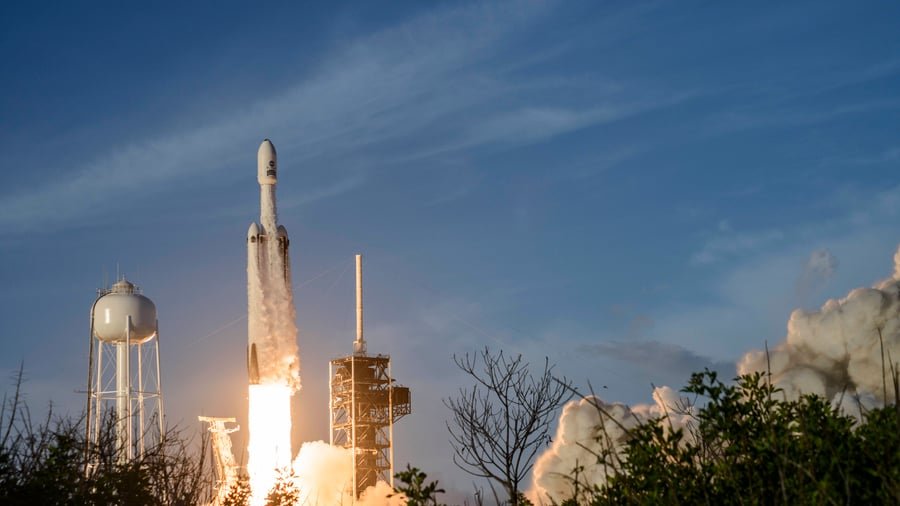
The giant rocket Starship successfully completed its 13th test flight on July 25, 2026. After several previous failures, the rocket managed to deploy approximately 20 operational Starlink internet satellites as planned. This test flight marks a significant advancement for the aerospace company SpaceX, which is advancing the development of the Starship rocket.
The launch took place from the space center in Boca Chica, Texas. The rocket lifted off at 10:00 AM local time and reached orbit within the designated timeframe. The mission was designed to test the rocket's performance under real-world conditions and to verify the reliability of the satellites. The Starlink satellites deployed during the test flight are part of SpaceX's global satellite internet project, which aims to provide high-speed internet to rural and underserved areas worldwide.
With the successful deployment of the satellites, the coverage of the Starlink network will continue to expand. SpaceX has conducted several test flights of the Starship rocket in the past, some of which faced challenges. The last successful test flight occurred in April 2026, during which the rocket also launched satellites into space. The ongoing tests are part of the plan to prepare the rocket for future crewed missions to the Moon and Mars. The Starship rocket is equipped with a variety of technologies designed to enhance its efficiency and safety.
These include improved engines and a new control system that allows for more precise navigation in space. These technological advancements are crucial for SpaceX's ambitious plans to realize interplanetary travel. The mission was monitored by a team of engineers and technicians who collected and analyzed data in real-time. This information is vital for assessing the rocket's performance and identifying potential improvements for future flights. SpaceX plans to incorporate the collected data into the development of the next Starship models.
The successful execution of the test flight has also elicited positive reactions from investors and space enthusiasts. Many see the Starship rocket as having the potential to revolutionize the aerospace industry and significantly reduce the costs of access to space. SpaceX has already received numerous contracts for satellite launches and crewed missions. The next phase of Starship development will focus on preparations for crewed flights. SpaceX has announced that the first crewed missions are expected to take place in 2027.
These missions are intended not only to reach the International Space Station (ISS) but also to keep long-term goals such as Mars in sight. The Starship rocket stands 120 meters tall, making it the largest rocket ever built. It is designed to transport up to 100 tons of cargo into low Earth orbit. This capacity opens new possibilities for scientific missions and commercial space projects. SpaceX aims to establish the Starship rocket as a reusable spacecraft to lower the costs of access to space.
The rocket is expected to be capable of conducting multiple missions without extensive maintenance. This could significantly improve the economics of space missions. The next testing phase is expected to begin in the coming months, with SpaceX planning to conduct further satellite launches and prepare the rocket for its future missions. Engineers are already working on optimizing the systems to further enhance efficiency and safety. "We are excited about the results of this test flight and look forward to taking the next steps in the development of the Starship rocket," said a SpaceX spokesperson after the successful launch.





💬 Comments (0)
No comments yet. Be the first to comment!