


Phishing Kits: Security Vulnerabilities and New Techniques
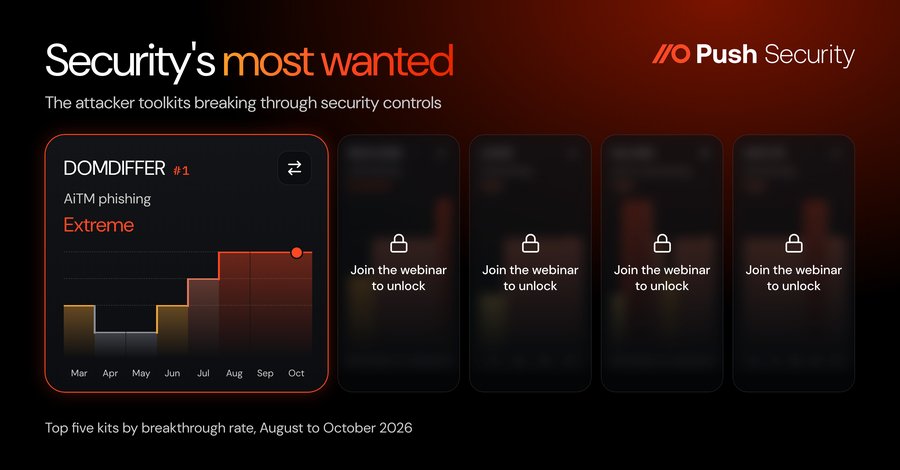
Current phishing attacks pose a significant threat to businesses as they increasingly circumvent security controls. According to an analysis by Push Security, some phishing kits achieve a high penetration rate, meaning they successfully overcome email security measures, web filters, and secure browsing techniques. These findings are crucial for security professionals who need to adjust their defense strategies. The penetration rate, also referred to as the breakthrough rate, is a key indicator of the effectiveness of phishing kits. Push Security has found that certain kits are capable of bypassing up to 40% of security measures.
This figure underscores the necessity of regularly reviewing and updating the security solutions in use. Some of the most commonly used phishing kits employ sophisticated techniques to disguise their attacks. These include the use of spoofed sender addresses and the insertion of links that point to legitimate websites. Such methods make it difficult for users to recognize phishing attempts, increasing the likelihood that they will fall for the fraudulent content. Push Security's analysis also shows that attackers are constantly adapting their tactics.
New phishing kits are regularly developed to circumvent existing security solutions. One example is the use of AI-driven techniques that enable attackers to create personalized messages tailored to the recipient. These personalized attacks are often more successful than generic phishing attempts. Another concerning trend is the increase in multi-channel phishing. Attackers are utilizing not only emails but also social media and messaging services to reach their targets.
This strategy expands the reach of attacks and complicates the identification of phishing attempts, as users may not be familiar with the same security protocols they apply to emails. The impact of successful phishing attacks can be severe for businesses. In addition to financial losses, data breaches and the loss of customer trust can also result. Push Security recommends that companies regularly train their employees and raise awareness of the latest phishing techniques. Such training can help sharpen awareness of security risks and reduce the likelihood that employees will fall for phishing attempts.
To improve the security posture, companies should also invest in advanced security solutions. Technologies such as machine learning and behavioral analysis can help detect and block suspicious activities early. These technologies analyze user behavior and identify anomalies that may indicate a potential phishing attack. Continuous monitoring and adjustment of security strategies are essential to keep pace with the ever-evolving threats. Push Security recommends conducting regular security audits and evaluating the effectiveness of implemented measures.
Companies should also ensure that their software and systems are always up to date to close known security vulnerabilities. Research from Push Security shows that the threat of phishing attacks is not diminishing. In 2026, over 1.5 million phishing attempts were already recorded worldwide, representing a 25% increase compared to the previous year. These figures highlight the urgency of implementing effective security measures and continuously training employees.


💬 Comments (0)
No comments yet. Be the first to comment!