


OpenAI Develops Own Chip to Reduce Dependence on Nvidia
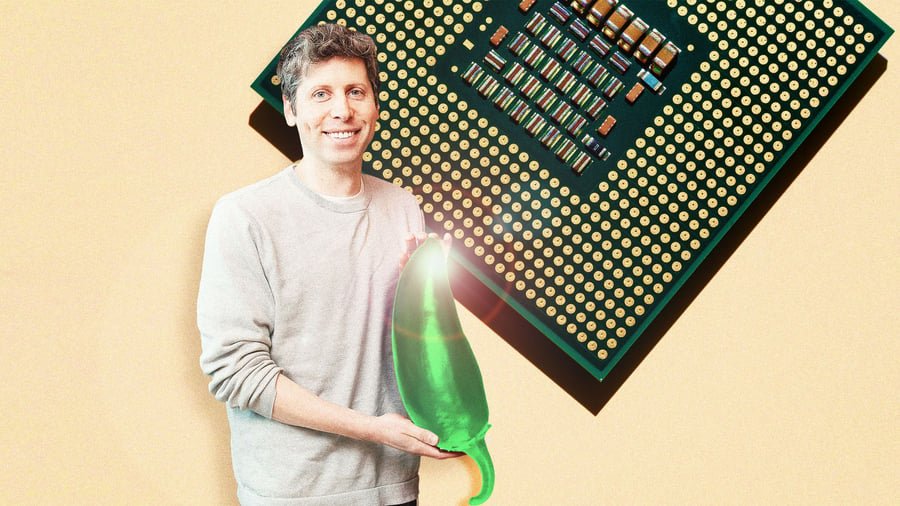
OpenAI has announced that it is developing its own chip called "Jalapeño" to reduce its dependence on Nvidia. The new chip is designed to enhance the efficiency of the company's AI models and significantly lower associated costs. Until now, OpenAI has relied on Nvidia's graphics processors to perform the complex calculations required for its AI models. The "Jalapeño" chip is being specifically developed to meet OpenAI's requirements. The goal is to optimize computing power and reduce costs per computation.
According to internal estimates, OpenAI could reduce its operating costs by up to 30% by utilizing its own chip. This would be a significant step towards ensuring the economic sustainability of AI development. Despite the development of its own chip, Nvidia remains an indispensable partner for OpenAI. Existing contracts and the infrastructure based on Nvidia hardware will continue to play a central role. Nvidia has established itself as a leading provider of graphics processors optimized for machine learning and AI applications.
The dependence on Nvidia has posed challenges for OpenAI in the past, especially during times of high demand for AI services. Shortages in the availability of Nvidia chips have impacted OpenAI's production capacities. With the "Jalapeño" chip, OpenAI aims to respond more flexibly to market changes and increase control over its own hardware infrastructure. The development of the chip is part of a broader strategy by OpenAI aimed at reducing costs for AI models in the long term. OpenAI is investing in research and development to find innovative solutions that enhance the efficiency of its AI models.
The "Jalapeño" chip could also play a central role in future OpenAI projects. The first prototypes of the chip are expected to be tested in the coming months. OpenAI plans to use the results of these tests to further optimize the chip. The final version of the chip could be operational as early as next year, allowing OpenAI greater independence from external providers. Analysts view the development of the chip as an important step for OpenAI.
The ability to develop its own hardware could give the company a competitive advantage. The costs for AI models could be significantly reduced through the use of the chip, enabling OpenAI to expand its services and enter new markets. In recent years, OpenAI has established itself as one of the leading providers in the field of artificial intelligence. The development of the "Jalapeño" chip could further strengthen the company's position. Investments in proprietary hardware are a sign of growing confidence in its own technology and OpenAI's vision.
The market launch of the chip is highly anticipated. OpenAI has already announced that the chip will not only be used for internal purposes but could also be made accessible to other companies and developers. This could further advance the proliferation of AI technologies and open up new application areas. The development of the "Jalapeño" chip is a significant step in the evolution of OpenAI. The ability to develop its own hardware could reduce dependence on external providers and enhance the company's innovative capacity. OpenAI plans to test the first prototypes by the end of 2026.







💬 Comments (0)
No comments yet. Be the first to comment!